
Anybody else worry about snagging your lures up when in reality it doesn’t happen very much?
I don’t pay for a lot of my fishing lures because of the work I do with Pure Fishing/Savage Gear, but I have never believed in wasting stuff and it’s not cool to take the piss. I always wash my lures down in freshwater when I get home, I will repair damaged soft plastics whenever possible, I will get as much life out of a weedless hook as possible, and I will try and avoid snagging lures up and having to pull for a break………………
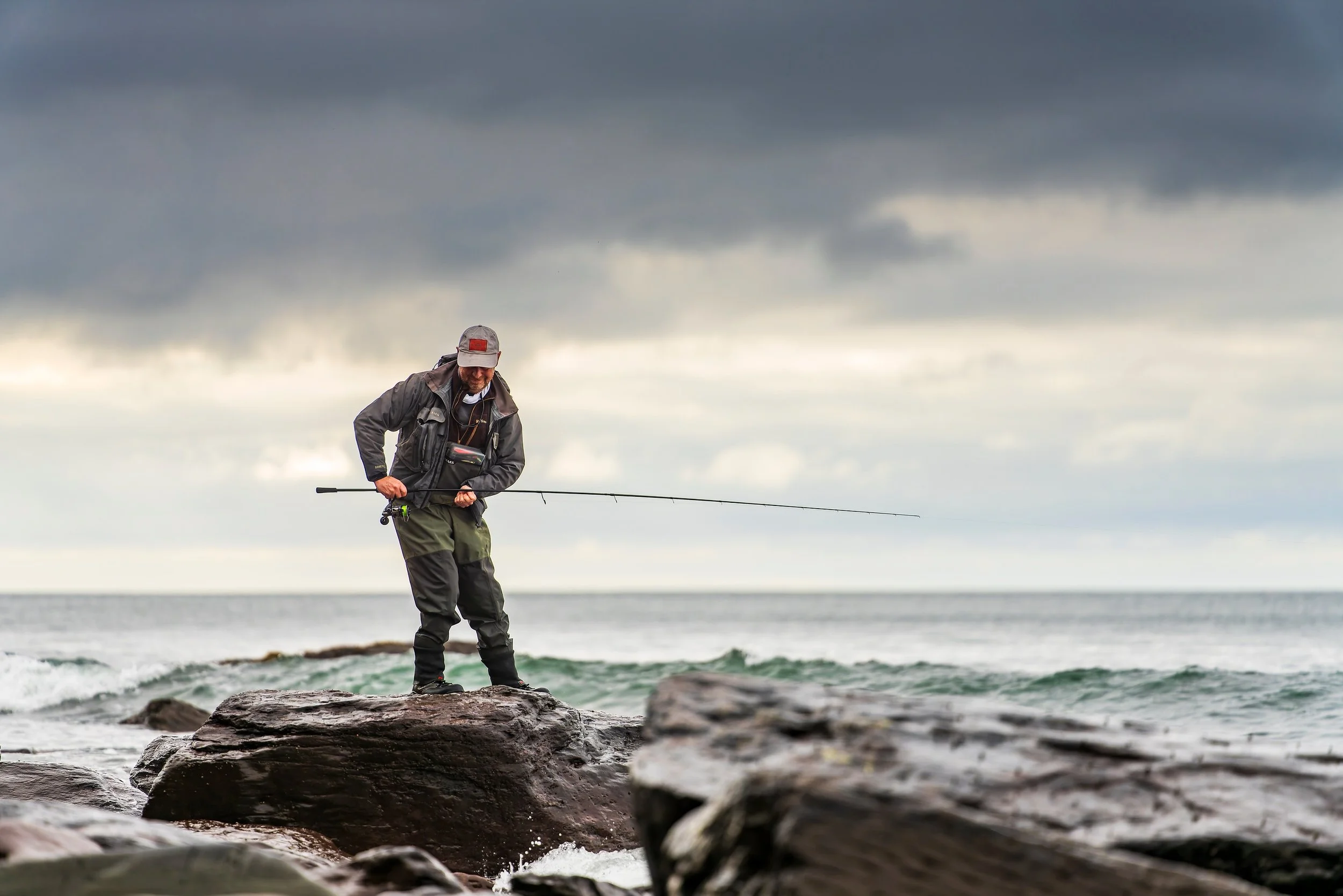
Sometimes you do get snagged up good and proper and you have no choice but the pull for a break!
But how many lures do you actually snag up and lose? I have very strong memories of really getting into this bass lure fishing and getting very frustrated at losing far too many expensive hard lures especially because firstly I didn’t have much understanding about swimming depths versus the ground I was fishing, and secondly I knew squat about soft plastics. Now though I hope I have a somewhat better understanding of stuff like this, but I will obviously try my best not to snag a perfectly good lure up and have to pull for a break if at all possible.

But a lot of this lure fishing thing is surely putting your lures in places where there is a good risk of losing them. How many do you really go and lose though? A few times recently the bass have seemed to want something presented a bit deeper than say a Gravity Stick Paddletail on a belly-weight hook might swim on a regular straight retrieve, but even bumping the Savage Minnow Weedless along some really rough ground hasn’t lost me a lure for a while. I do think that over time and with experience that you can better “read” what’s going on as your lure bumps along the rough stuff. Your understanding of when to say give the lure a hard wrench away from danger is increased, is that fair to say?

Take a lure like the (metal) Seeker. I don’t tend to whack it out and let it hit the bottom before starting your retrieve, but on a few occasions this has worked well recently, and especially when you hold the lure for say three seconds on a tight line - a spin stop - and then pick the retrieve back up. So you’ve let the lure (briefly) touch the bottom at the end of the cast, but in reality that Seeker is designed to get up towards the surface and swim shallow, so there’s me sometimes worrying that it’s about to get hung up when in reality I reckon it’s swimming somewhat shallower than what I am visualising if that makes sense. I would also suggest that when rigged with a big single hook especially, the irregular action on the lure is also helping to prevent the thing snagging up if you are really working on retrieving it slowly.
I do know that I need to explore different retrieve speeds a good bit more when I am fishing with whatever paddletail it might be on a weedless hook, and especially because a number of anglers talk about catching bass when that paddletail is literally bumping along the bottom. For some reason my head makes sense out of bumping/swimming/hopping a soft plastic/weedless jig head combination along the bottom - Savage Minnow Weedless, Fiiish Black Minnow etc. - but for some reason I have a bit of a disconnect with bumping a paddletail/weedless hook combination along the bottom. My urge seems to be to swim it.

I know what is less likely to snag up as well, but I guess you get dialled into fishing certain combinations in specific ways because it has worked for you so many times before. Built into that is the voice in my head saying don’t go and lose the lure, but how many lures do you actually go and lose a lure when you’re bass fishing? Wrasse or pollack fishing is somewhat different, I accept that, and chucking expensive hard lures festooned with treble hooks into really shallow, gnarly ground is a different matter, but the other side of the coin has to be that if you aren’t in the right areas then you ain’t going to catch much. I don’t particularly like losing a perfectly good lure, but if you choose the right type of lure and you know how to fish it, I’d suggest that losses can actually be kept to a real minimum most of the time.
Disclosure - If you buy anything using links found around my website, I may make a commission. It doesn’t cost you anymore to buy via these affiliate links - and please feel entirely free not to do so of course - but it will help me to continue producing content. Thank you.