
With braid, how do you decide what breaking strain, diameter or PE# to go for? (I ask because I had an interesting chat with an industry insider)
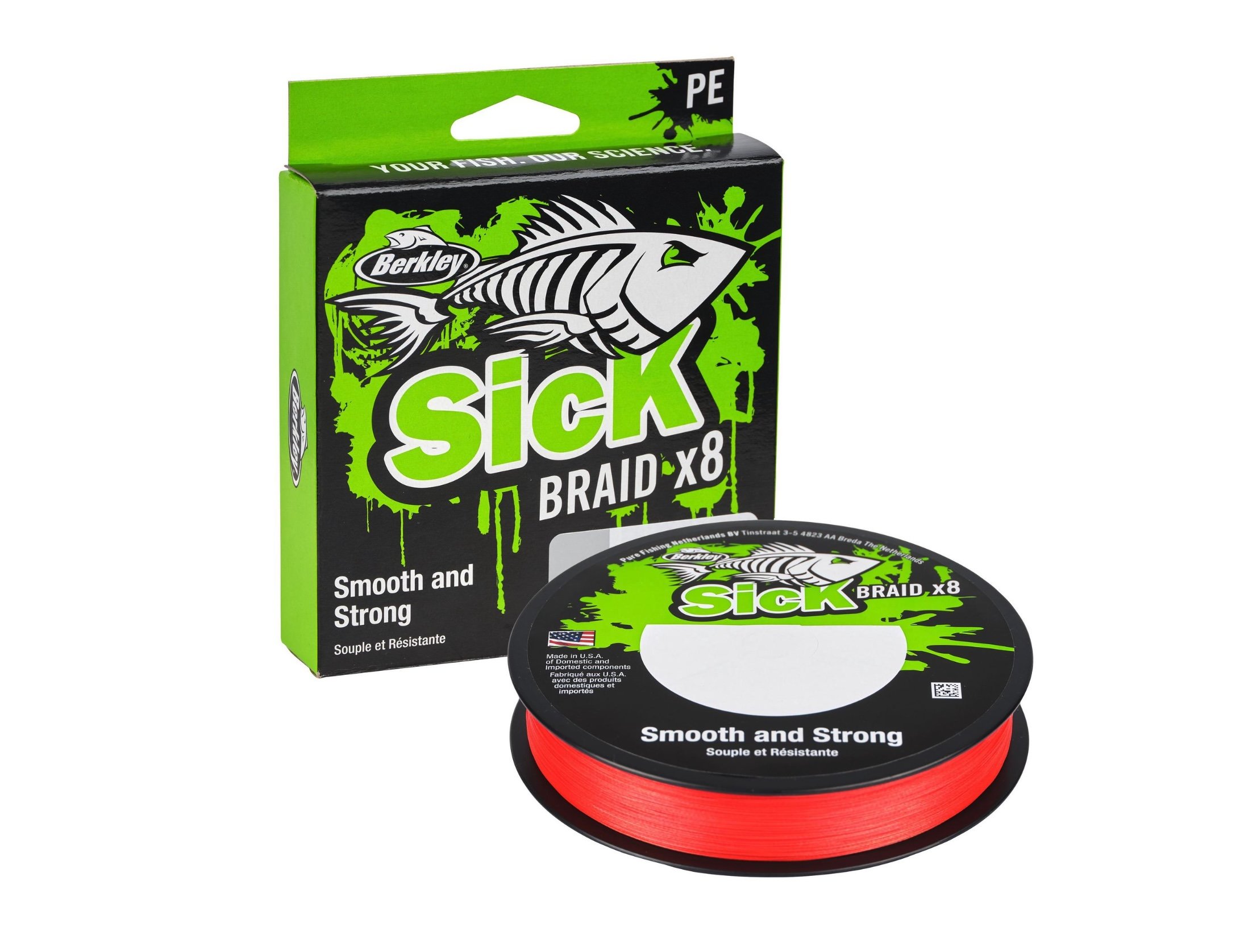
The other day I got hold of some newish braid to try out that I am starting to hear really good things about, the sub-£20 for a 150yd spool Berkley Sick Braid X8 - let’s call it Sick braid to make things easier - and I am going to guess that most of you here who lure fish do so with a braid mainline of around 20lb - which is the whole point of this blog post. What does 20lb even mean here in the UK and Europe? I have written about braids and the confusion which tends to reign about diameters and breaking strains and PE# numbers and so on before on this blog, but the more I learn about it all via industry contacts, the more I realise that the whole fishing line thing remains confusing for various reasons which logic might say don’t need to be this way. Hell, I work in fishing, I get to talk to industry people who work on this stuff, and even I was a bit confused about which version of this Sick braid to try out for my bass fishing. Should I buy on diameter or breaking strain - no PE# numbers on this braid - but what does the breaking strain actually mean?
Well it’s not that simple because it now depends on where you buy your braid. Why should this make a difference you might well ask, and quite rightly so, but different countries/regions use different ways to test and measure fishing lines for labelling purposes. I know it’s kinda wrong, but it’s the way it is, and I don’t see it changing anytime soon when the might of the US fishing tackle industry measures and labels their fishing lines differently to Europe. Note that I am not talking about the Japanese market here because they do things a bit differently again.
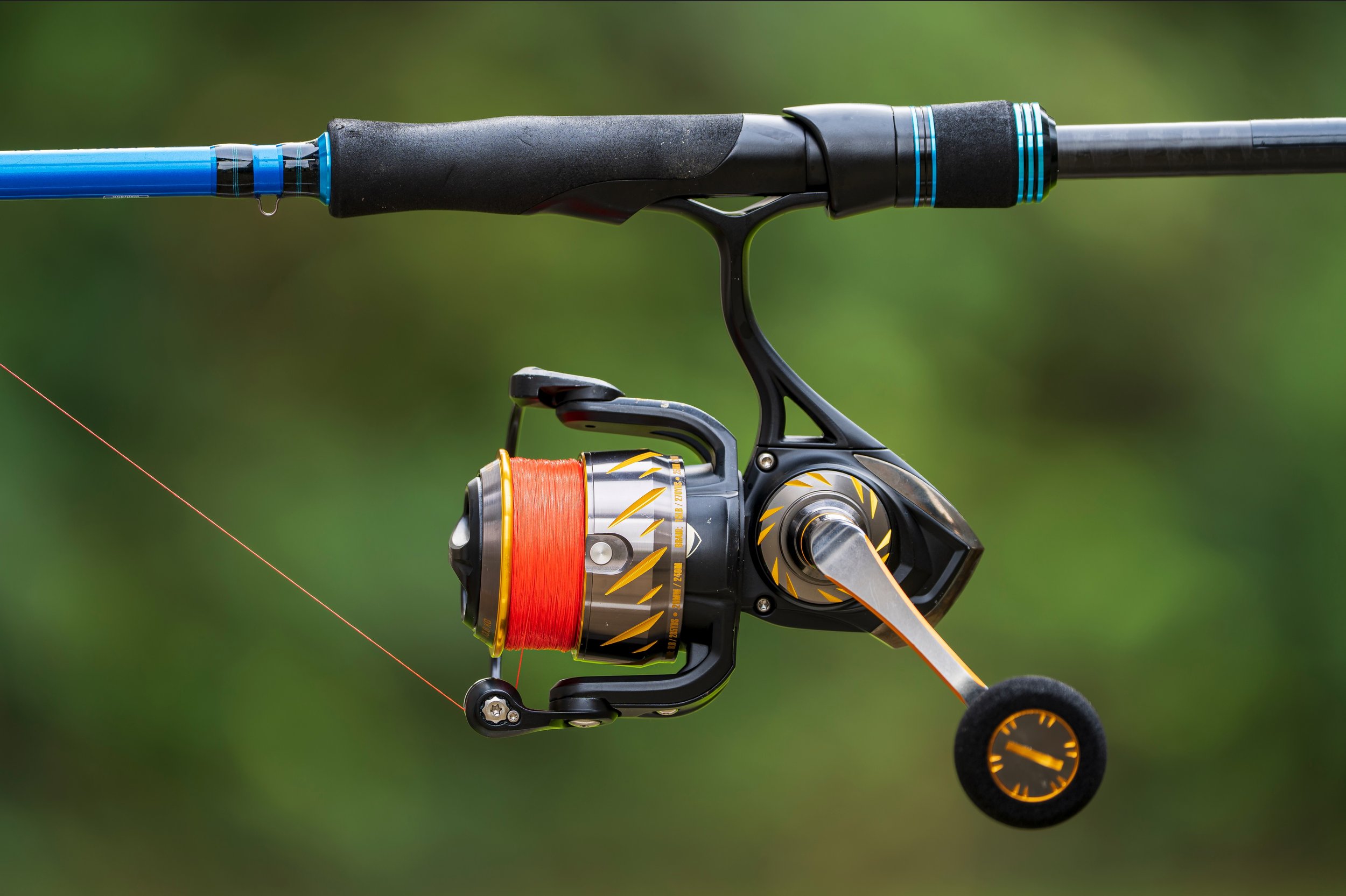
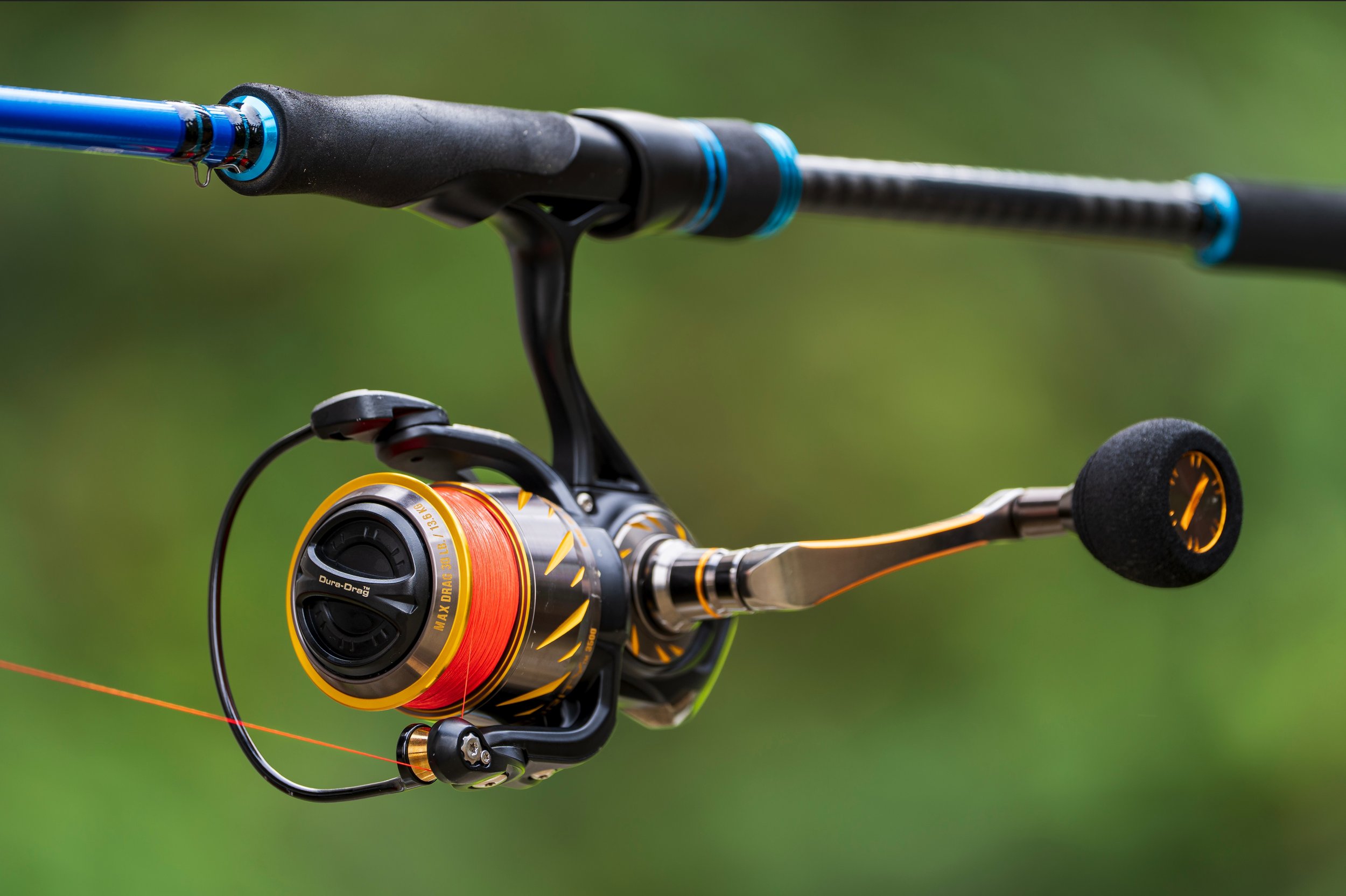
So let’s take me here as a regular lure angler who was looking for the “right” Sick braid to try for my bass fishing. I don’t catch 20lb bass but I like how the braids I know and fish with work for me in terms of casting and knots and horsing ability etc. So do I go for the quoted diameters on the Sick braid spools which sound pretty bloody incredible when compared to quoted breaking strains and other braids out there, or do I go purely with breaking strain and basically ignore the diameters because a braid’s diameter is notoriously tricky to measure due to most braids not actually being truly round? You might not notice this when you fish with it, but what if a braid is measured by a laser through the flattest part instead of the rounder part? Splitting hairs it might sound like, but this is how I reckon something like this Berkley Sick braid at 24lbs breaking strain is quoted as having an incredibly thin diameter of 0.12mm. Yep, I went for the 24lbs Sick braid in the bright red colour (my reasons are below), and I have put it on this utterly sublime, Shimano-smooth, Penn Authority 3500 spinning reel I have got here and which is incredibly impressive so far. On my micrometer which let’s be honest I don’t properly know how to use, I am getting around 0.16mm for this particular version of Sick braid, but even then I am never quite sure how tight to wind the micrometer up to get a proper reading!
I put something up about this Sick braid on Facebook the other day, and a while later an industry insider kindly reached out to me and went out of his way to explain some stuff. He said that with a braid like Berkley Sick I should just buy it on breaking strain and basically ignore the quoted diameters - not because the diameters are a lie, rather that as I explained above the figures could give you unrealistic expectations. Over a lot of time fishing with a lot of braids, I must admit that I tend to go on what feels right to me these days. I know this is not remotely technical, but if I take something like the Sufix 131 in their quoted 20lb breaking strain as my go-to lure fishing braid, when I run a different braid through my fingers I reckon I am pretty close to feeling how similar or not it might be in terms of thickness. And this 24lb Berkley Sick braid feels about right to me. I have only fished with it the one time so far and it comes off the reel really nicely, but I am interested to see how this stuff holds up with Berkley talking lots about its abrasion resistance properties. I like the price, I like the colours, and I like how it feels. I will report back in due course.
But we still haven’t got to the bottom of what a 20lb braid actually is, or in the case of this Sick braid on my Authority 3500 reel, what 24lb means when I am never going to catch a 24lb bass in the UK. Let’s say I do choose to ignore quoted braid diameters and instead buy purely on breaking strains, how do I know what on earth is going on? Via what I know already and what my industry contact helped clarify to me in plain English, this is how the breaking strain figures are arrived at, and the reasons that a 20lb braid in the US feels somewhat thicker than a 20lb braid in Europe are these:
In the US they use what is known as “Test break” - this is based on knot strength, as in a knot is tied in the braid (I don’t know what knot, or whether the braid is knotted to a hook or swivel etc., more confusion!), and then the breaking strain is taken when the line breaks on a line testing machine. I guess it’s going to break on or just above whatever knot is used. You all know how a connecting knot weakens a fishing line, so it takes a thicker/stronger line to break at 20lbs when tested like this and when you compare it to how it’s done in Europe below:
In Europe they go on the “Max break” (or true line strength it could be said) - this is purely the strength of the line as measured on a line testing machine, with no knots. All well and good but of course a fishing line doesn’t work without at least a knot somewhere in the equation. I am always using a fluorocarbon leader and I only ever use the FG knot to secure my mainline to leader, so with how good the FG knot is I don’t worry for one second about very much weakening of the overall quoted breaking strain at all. I also don’t worry about the size of bass we might connect with when I completely trust my lines and connections. But what if there is an unseen bit of damage somewhere on your mainline, or the fish goes the wrong way and along that route are some sharp and rough rocks which the braid can rub against? It’s partly why I pull the living hell out of my hooked bass - get them in as fast as possible for a good release AND because the more time spent messing around and donating them line means more time for something to go wrong.
You could argue that neither way is perfect and both methods can be used to imply different things. When you meet a US angler and you think wow, he or she is landing some amazing fish on 20lb braid, bear in mind the above and remember that the same line would be rated somewhat stronger here in Europe for example. A 20lb “Test break” braid for any of us has to break lower than 20lbs because somewhere along the line we have to use a knot - which might be a bloody knot, but it’s still a knot, and as close to 100% as I believe a good FG knot can get to, a knot changes how a line performs to some extent. Some knots aren’t much good though, and it’s why I tend to ignore a lot of anglers who complain about their mainlines breaking all the time (dodgy line rollers as well, plus unseen knicks and cracks in rod rings). Bad workmen etc. or is that unfair? You all have a good weekend……………….
Disclosure - If you buy anything using links found around my website, I may make a commission. It doesn’t cost you anymore to buy via these affiliate links - and please feel entirely free not to do so of course - but it will help me to continue producing content. Thank you.