
What’s your go-to leader strength or diameter, do you think that going lighter can make a difference?
I’ve talked about this stuff before on this blog, but I was going through a few bits and pieces here at home and I noticed how low the line level was on a spool of 12lb/0.305mm YGK Nitlon DFC fluorocarbon leader I have (I have been using this particular leader for the bulk of my lighter estuary fishing and it has never given me cause to doubt it). I am quite prone to changing my fluorocarbon leaders I might add, probably more than I really need to, but I have always liked using a leader for my lure fishing and I refuse to let such a short but important length of time be any kind of a weak link. Which it isn’t at all, not if you use a proper leader knot like the FG knot, so let’s not waste time getting into a discussion about leaders or no leaders. You either use one or you don’t………….
Anyway, so what sort of breaking strain or diameter fluoro or mono leader do you turn to for your bass fishing? As with braid and the complications surrounding labelling, we are going to have to accept that a 20lb fluoro from one company often isn’t quite the same as a 20lb fluoro from another. Unless you are physically going to check the diameters of your leaders yourself - easily done to be fair, tools like these can do it for not much money - then I guess we go with the labeling on the spools and lean into what you know and trust.
I am probably a bit old school in that I have the somewhat traditional mono diameters versus breaking strains in my head. I tend to think of a 0.35mm mono or indeed fluoro line breaking at around 15lbs on a straight pull, then a 0.40mm line breaking at 20lbs, 0.30mm breaking at 12lb, and so on. I remember when I started fishing for those big sharks and so on from the beaches in Namibia and the local anglers would always talk about their mono mainlines in terms of diameter and never breaking strain - which when you think about it makes a lot of sense. A 0.50mm mainline is a 0.50mm mainline - if the diameters are correct of course - and if that 0.50mm mainline works for you and your fishing then it doesn’t really matter what the quoted breaking strain is. Rather than worry about the quoted breaking strains and potentially end up with thinner or thicker lines, you can buy on diameter and see which one you like the most.
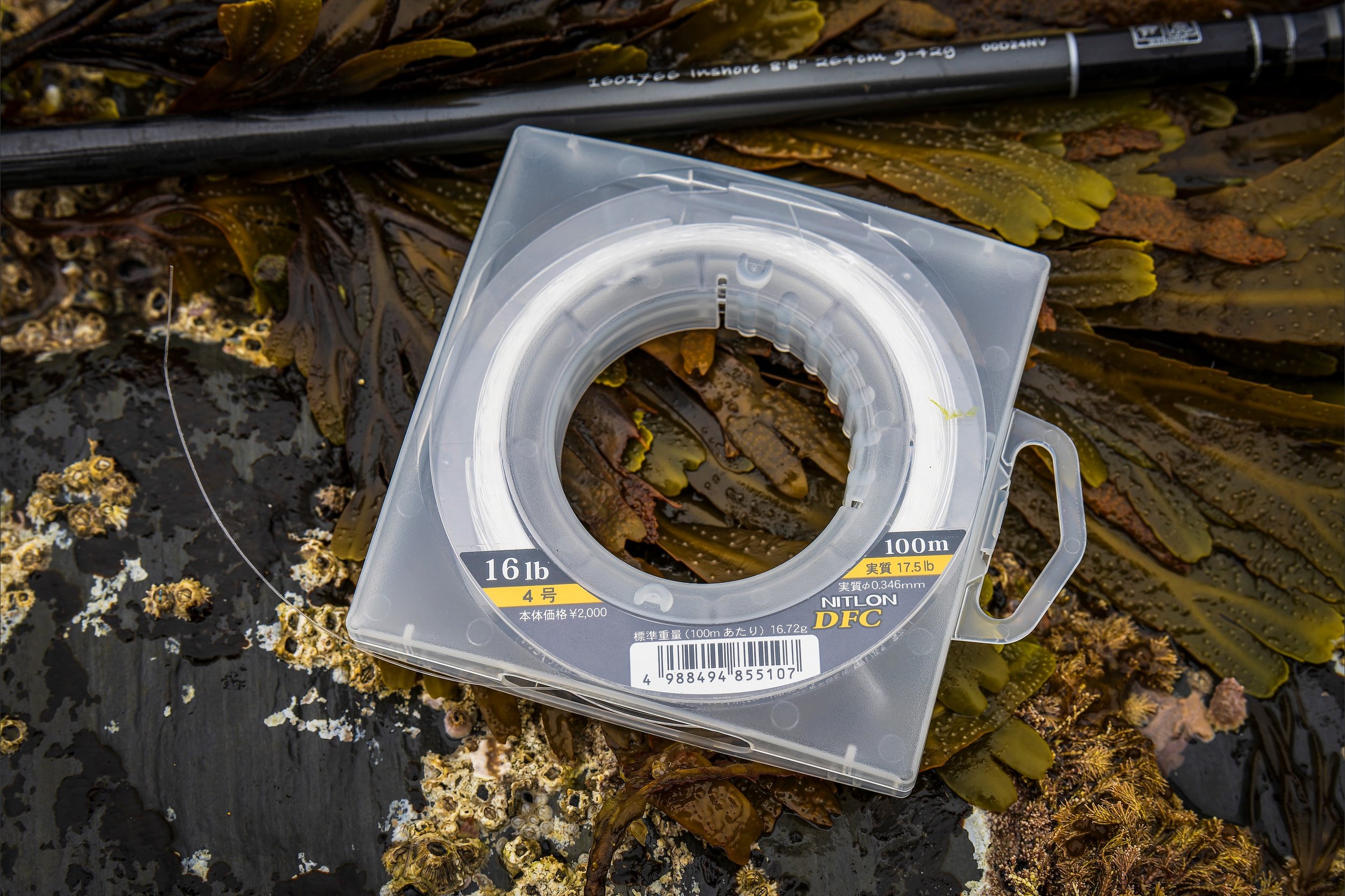
I guess it’s a bit different when it comes to the short length of (leader) line you may or may not secure to the end of your braid, but you get my drift. Way before this lighter estuary based fishing seriously came into my life, I am pretty sure I used to fish most of the time with that 16lb/0.346mm YGK Nitlon DFC fluorocarbon leader, and I can’t recall any issues save for the fact that I would start the new season with a fresh spool of the stuff. I remember the odd unexplained breakage when tying a knot to my lure clip if I was using a spool of the leader from the start of the previous year, but it must depend on where and how you store your line. None of these monos or fluoros like being left out in direct sunshine for hours on end for example, and yes, I grant you that overexposure to sunshine isn’t exactly much of a problem at the moment!
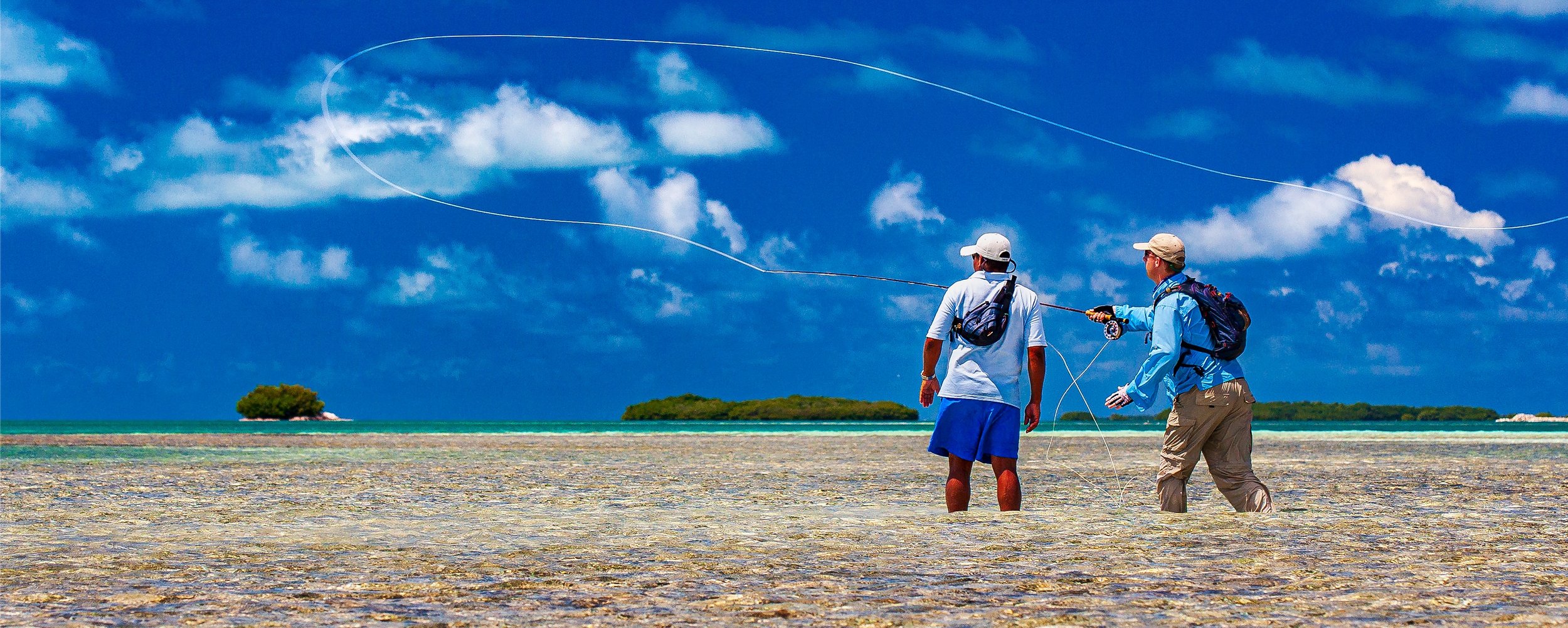
I am going to guess that the majority of UK shore based bass lure fishing is done with a 20lb braid and a 20lb leader - whatever that particular 20lb braid and 20lb leader actually is of course. It’s potentially a complicated alley to head down, but if you come from or know much about certain types of fly fishing for trout fishing for example then you will know how much leader diameters can make a difference in certain situations. Many species of fish which are targeted on fly fishing gear are known for shying away from thicker leaders in some types of water and over some types of ground and so on. Do we think about it much with our bass fishing?
I don’t think what we are generally doing makes much difference when the water is really bouncy or a good bit coloured, but I have been around enough bass fishing situations before when I do think the diameter of the leader has made a difference to the fishing. It can be hard to prove, but a few select times there have been enough anglers fishing for the change to a lighter leader proving to be THE factor which made a beneficial difference. I agree that changing leaders can be a bit of a pain if you are on the one rod and reel setup, but with the potential size of the bass we catch and the ground we might fish over, does the one strength or diameter of leader cover it all?
Disclosure - If you buy anything using links found around my website, I may make a commission. It doesn’t cost you anymore to buy via these affiliate links - and please feel entirely free not to do so of course - but it will help me to continue producing content. Thank you.