
Tight braid can very easily break when run over sharp rocks - is this unavoidable or can we do something about it?
I was reading some stuff on Facebook earlier this morning where an angler was talking about how he felt that these modern, uber-smooth 8-strand braids were no good when fishing in amongst the bricks because they break so easily when run over sharp rocks, and that 4-strand braids were the way to go for reefs and rocks and so on. This in turn ties in with some stuff I have been thinking about recently because it’s that time of year when my fishing brain tends to go into overdrive and we are also in lockdown. You are all going to have your own favourite mainlines here, but the braid I use the most is Sufix 131 which I wish wasn’t so expensive because I can’t get enough of it. If I am not using Sufix 131 then it’s either Sufix X8 which I don’t give enough credit to because it’s bloody awesome stuff, or Sufix 832 because it just lasts and lasts and lasts and it’s as tough as hell. Sufix 832 may not be the most refined 8-strand out there - it’s not uber-smooth and it doesn’t quite cut through the wind like say the X8, but it’s THE out and out strongest braid I know of. I do also try various other braids from time to time because it all interests me, but I make no apologies for having a serious thing for Sufix lines………………..
The actual brands or types of braid aside though, I tend to err to an 8-strand braid around the 20lb breaking strain which tends to be around a 0.15mm-0.165mm diameter or PE#1. I could go lower because whilst our bass are magnificent, they are exactly very big fish on a global scale, but modern braids are so damn incredible I feel more than happy with how a braid around that 0.15mm-0.165mm diameter works for me. I know how hard I can pull my hooked fish, I completely trust my FG knot connection between braid and leader, I trust the knot in my fluoro to my lure clip, and I have never, ever had a little Breakaway Mini Link lure clip fail on me. If I hook a good bass over clean ground and the hooks stick then I back myself to land any size bass I am ever likely to connect with. That’s not a boast by the way, it’s simply me backing my setup and how I fight my fish.
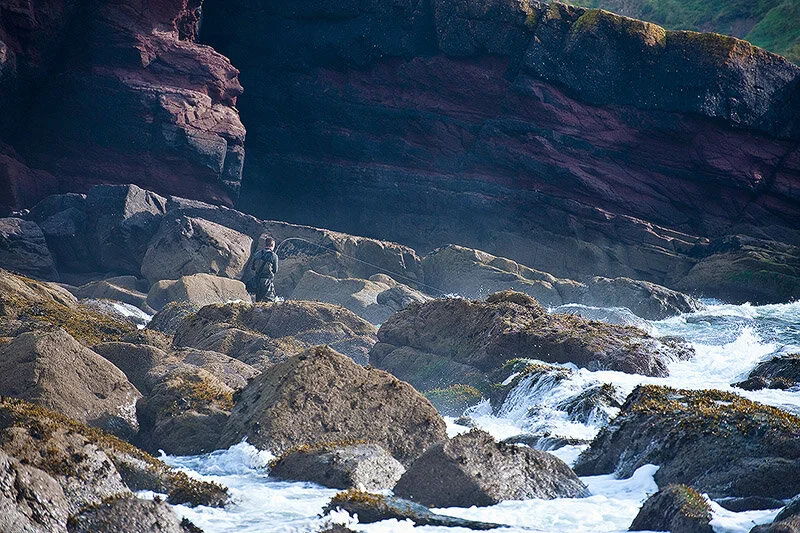
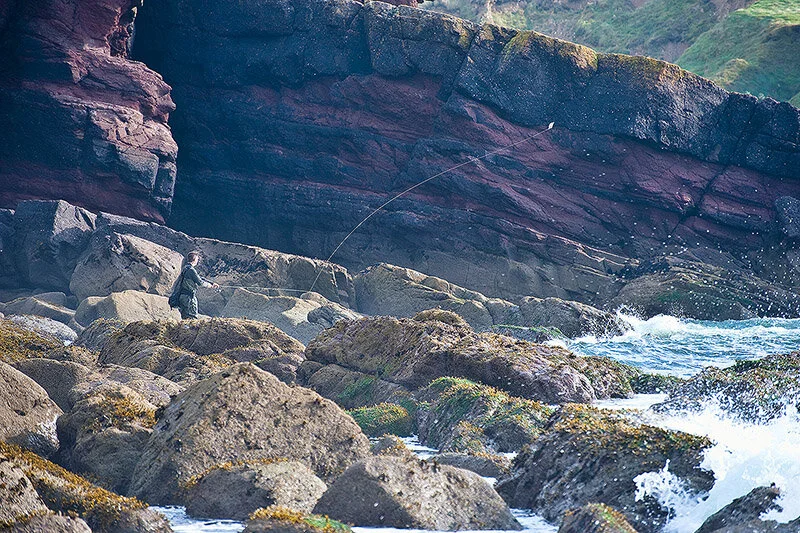
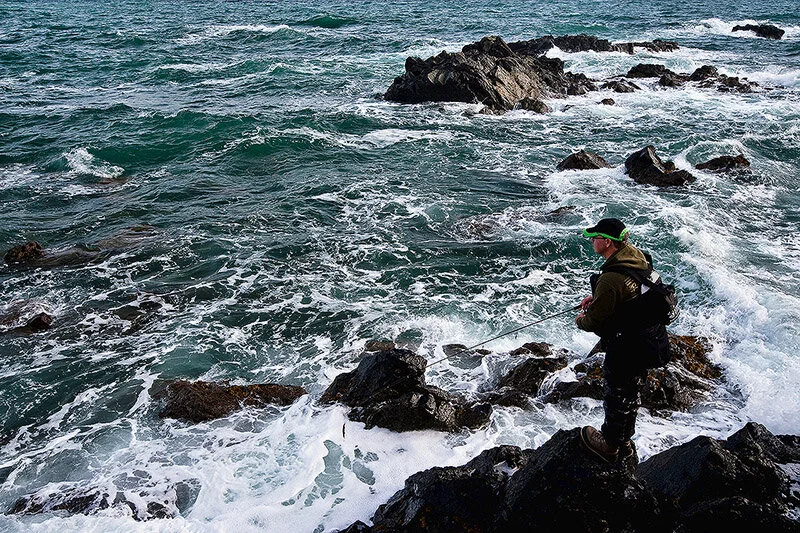
But how often do we go and hook a bass in lovely clear water with no rocks and reefs and so on? A lot my own fishing is around some sort of structure, and whilst I don’t personally think bass are dirty fighting fish like say a wrasse which knows only how to head for the bricks once hooked, I do think where you hook bass is a big factor in whether your lovely braid ends up running over some sharp rocks. Hook a fish say ten yards out and I back myself to hook and hold that fish and not give it much if any chance to go anywhere but straight into my waiting hands or net or beach or whatever. Now go and hook that same fish say forty or fifty yards out and to me things have now changed completely. I would still be putting just as much pressure on that fish so it most likely won’t take any line off my reel, but that fish can so easily swim left or right on the angle with all that line out - and if by going left or right my line ends up over a sharp rock somewhere inside that circumference, what can I do? I don’t think the bass are necessarily running into rocks, rather that an angle can be created from where you hooked the fish.
I can think of a place I like to fish where I have lost a nice fish or two because there’s a little sharp rock standing proud, and whilst I have hooked those nice fish beyond the range of that sharp rock, the fish were hooked far enough out to change direction and my braid ended up snapping on the rock because I literally could not move the fish fast enough to prevent this happening. Anybody got any dynamite they want to offload? But would a 4-strand braid or even a thicker 8-strand have held up? I believe the theory with 12 and 13-strand braids is that you have got more strength left if one of the strands ends up damaged, but I am not entirely sure I buy that when you’re out in the real fishing world. If a tight braid around the diameter that most of us like fishing with is tight and it gets run hard against sharp rocks then I fancy it’s going to snap. Sometimes I think we have to accept that it’s part and parcel of the fishing we happen to do, but it obviously niggles when a fish breaks off like this, and more often than not it was the bass of a lifetime because we never got to see it and isn’t that always the way?!
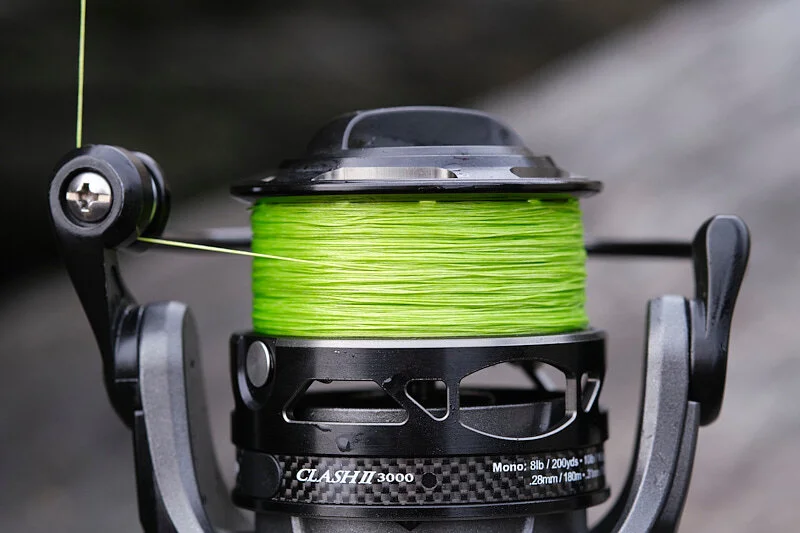
The one thing I have never done but I keep thinking I should try is to have one rod and spinning reel setup which I use specifically for the roughest and shallowest ground I might fish, where the risk of braid getting run across rocks by moving fish is greater. First off I don’t tend to need a lot of distance and mainline cutting perfectly through the wind or current ability when I am fishing ground like this, and for a fair percentage of my fishing time on marks like this I will be fishing at night as well - so do I really need that PE#1 braid and say a 20lb fluoro leader? Why don’t I up that specific rod and reel setup to fish with say 0.24mm/39lb, 0.28mm/50lb or even 0.33mm/63lb Sufix 832 braid tied to the incredibly robust 0.48mm/30lb or 0.57mm/40lb Varivas Fluorocarbon Shock Leader? I have never seen the larger diameter Sufix 131 versions, but I would imagine it’s still some gorgeous braid to use even if you do go thicker with it. Even at potentially 0.33mm for the mainline we are still talking about a diameter less than a regular 0.35mm/15lb monofilament line. These breaking strains are nothing to do with the moderate size of the fish as I said earlier, rather they’d be geared purely at a more specialised approach to very rough and shallow ground and trying to prevent anything going wrong. What do you think about this sort of specialist approach, and would a thicker braid even make that much difference if you get unlucky with how a decent bass might move if you go and hook it further out?
Disclosure - If you buy anything using links found around my website, I may make a commission. It doesn’t cost you anymore to buy via these affiliate links - and please feel entirely free not to do so of course - but it will help me to continue producing content. Thank you.