
If your braid suddenly starts breaking I would suggest that your braid isn’t actually at fault (I was given a really clever tip by an angler I know)
Have you ever been fishing and for no apparent reason your braid suddenly starts to snap, or sections of it begin looking really rough and frayed? We obviously all like to fish with various different braids, but for all our preferences, is there really such a thing as a bad braid out there these days? I am not saying you can’t find a dodgy braid if you go looking around every corner of the internet for cheap knock-offs, but you get my drift. Put a decent knot from braid to leader - the FG knot, the only one in my book - and with the sort of fishing so many of us do we should not be seeing “unexplained” breakages……………..
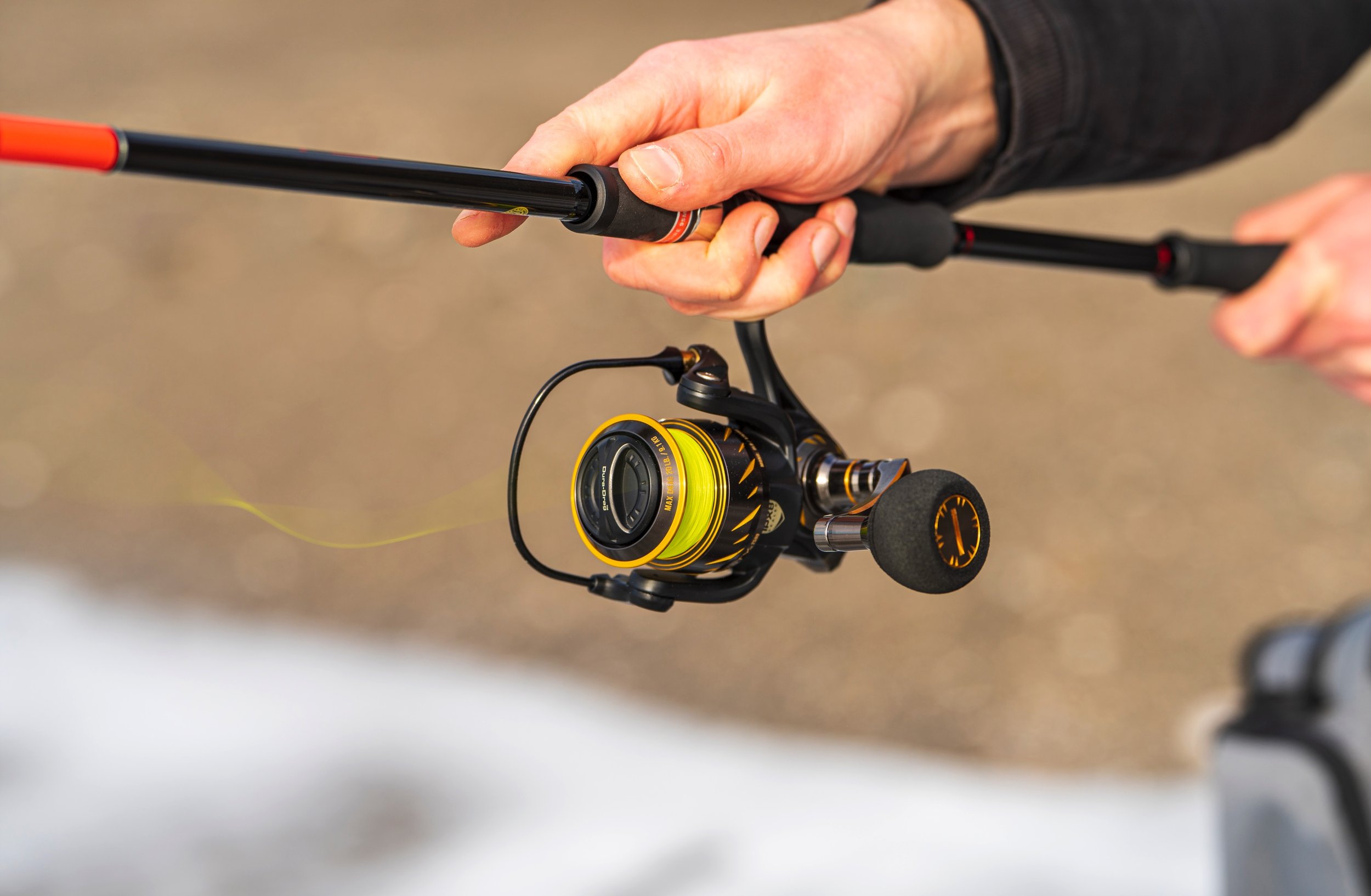
But then out of the blue your braid suddenly starts looking worn and torn, or even worse you whack out a favourite lure and your mainline goes ping and off into the distance goes your (expensive) bit of plastic or metal. And what’s the first thing we say? “Bloody braid is crap”, when for ages it’s been working perfectly but it’s suddenly become a crap braid? Some anglers will then go onto social media and bleat their complaints like the complaining herds of sheep spend their time doing online, but how many anglers actually sit down and think about it and try to work out why their mainline is suddenly not working as well as it was the session before? Blame the tools as the saying goes, but I reckon nearly every single time there are two specific reasons why a braid mainline might suddenly start breaking. Note that I am not including anglers tying crap leader knots because we are mainly blokes and when could we ever do something which might be less than perfect?!
Check your line roller on your spinning reel to see if it’s running freely (run a piece of string back and forth and listen carefully). I love Shimano spinning reels as much as many other anglers do, but when I fish with their reels especially, I keep a close eye on the line rollers because I have had so many of them start sounding “grindy” on me after what is sometimes not much use at all. Let it go too far and I guess you’re looking at a new line roller bearing or even a complete line roller assembly if it seizes up completely - depending on the design of the particular reel - but it’s why I started greasing instead of oiling all my liner rollers a few years back. Grease lasts longer than oil in there, end of.
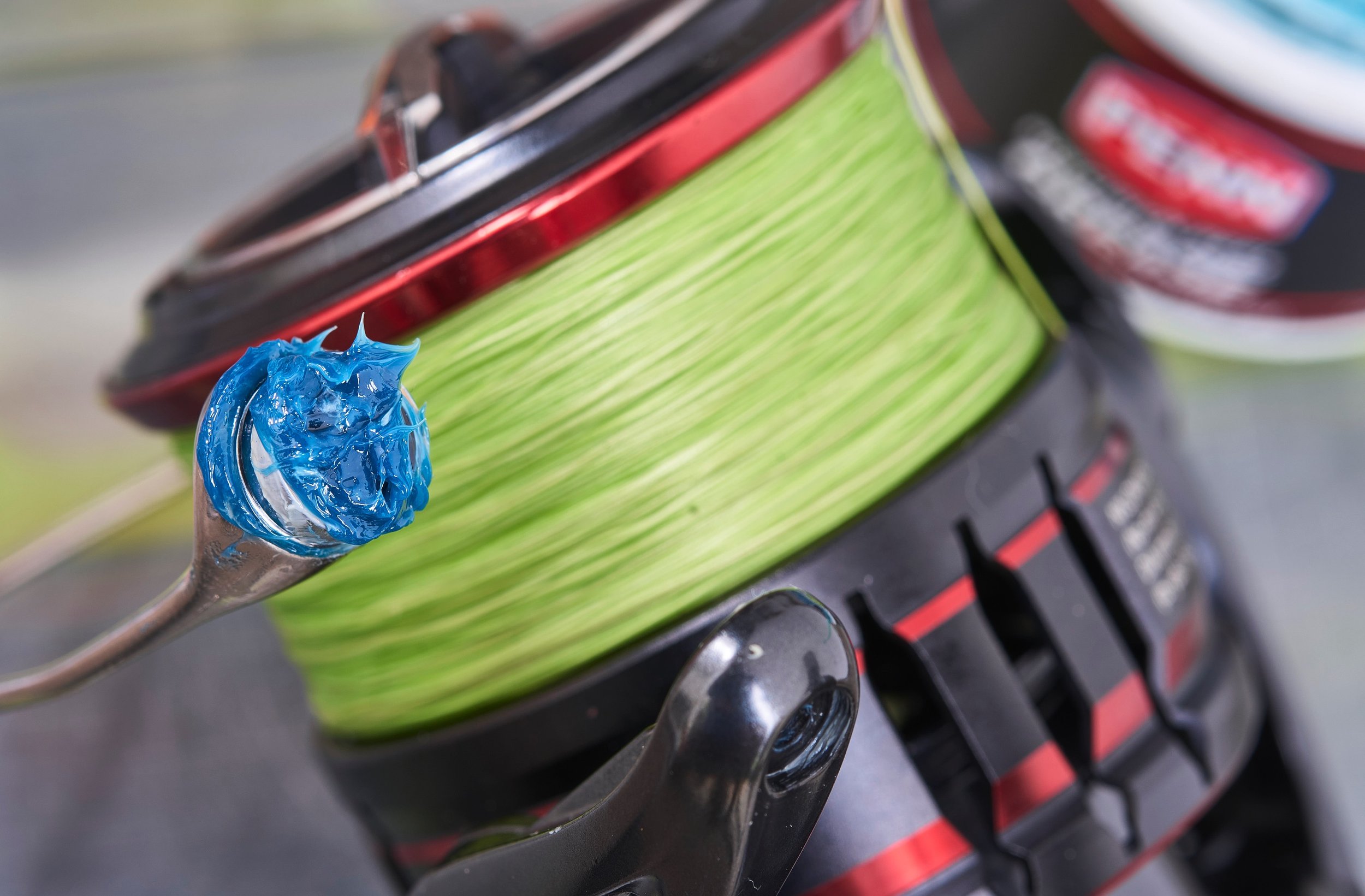
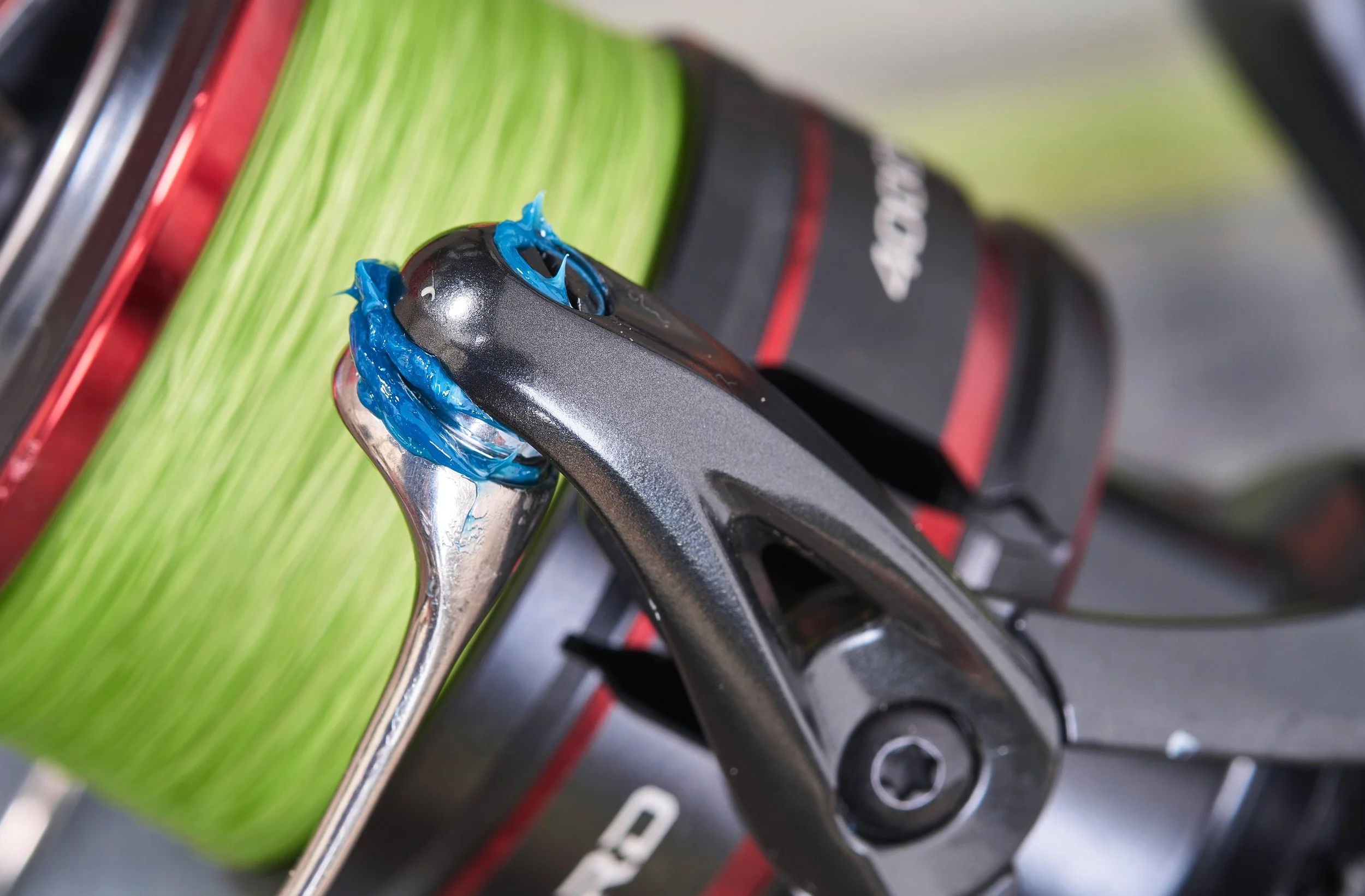
I don’t know if the manufacturers would recommend doing this, but with the lack of advice the tackle companies give us on how to try and keep our spinning reels running properly via saltwater use especially, I gave up listening to anything they might say and I do what I know works for me. The first thing I do when I put a new spinning reel into action is carefully unscrew the line roller assembly, pack it with Penn Precision Reel Grease, put it back together, wipe the excess grease off, run a piece of string back and forth a load of times to get the line roller spinning, wipe off any more excess grease, then get the reel out fishing. Any time I hear anything resembling a rasping sound from the line roller I repeat this process, and I reckon I have saved a number of Shimano line rollers especially like this. I haven’t actually had any unexplained braid breakages for years now.
The second reason for your braid suddenly breaking can also be tiny little chips or cracks on the liners/inside of one of your rod rings or guides. You might have no idea you even have a problem until your braid suddenly snaps “for no reason”, but have a really close look and a feel - check the tip ring especially - and it’s surprising the number of times you’ve got a problem with one of the guides. If this happens then you’re going to need to find a rod builder to replace the guide for you.
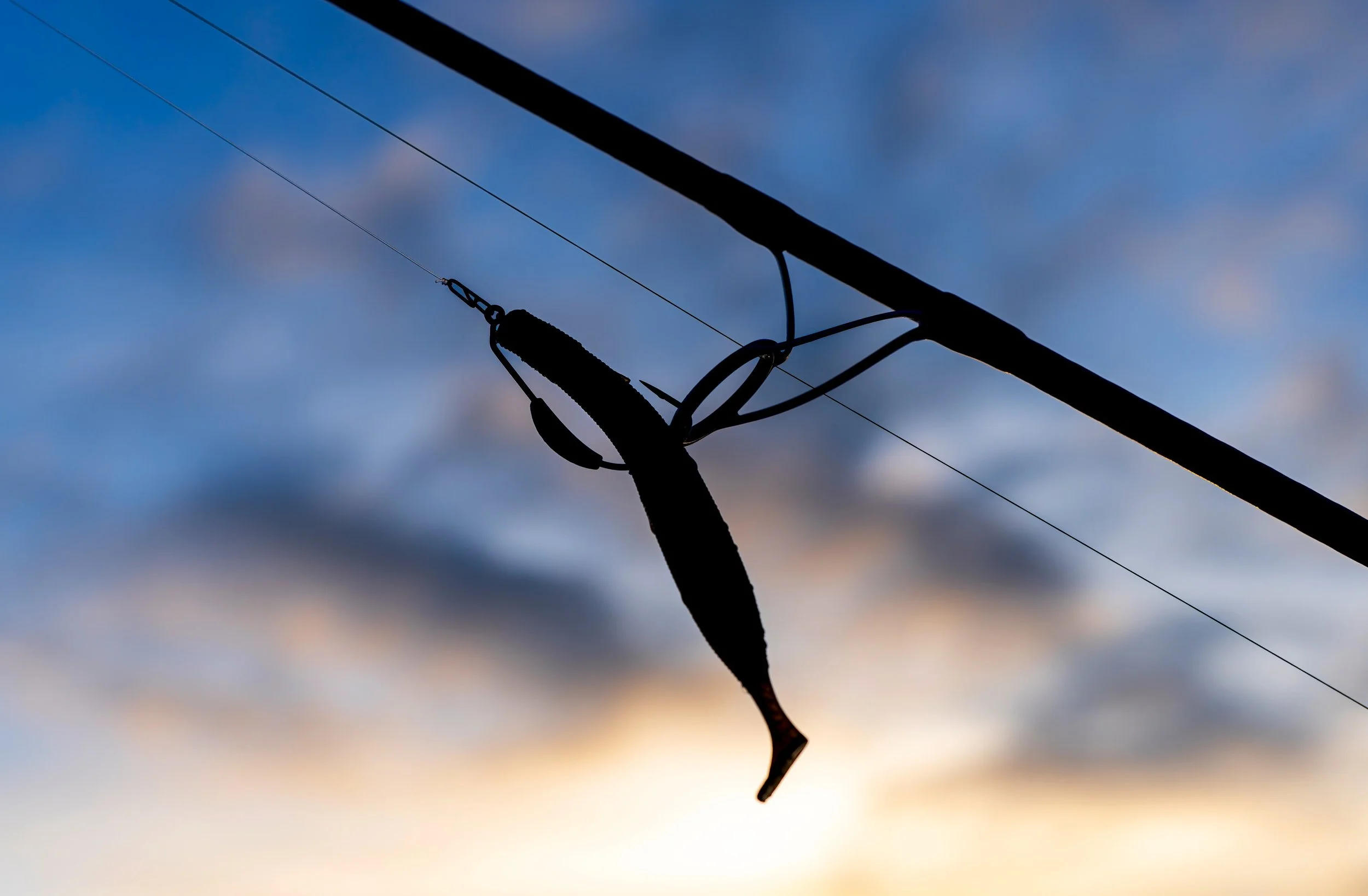
I know some anglers say don’t do this, but I have still never damaged a rod guide by clipping the hook into it for transportation - and that includes always putting my rod(s) on rod racks on my Epic Berlingo
An angler I know recently passed me in his van while I was walking Storm. He kindly said he’d been reading my blog and had a really useful tip to pass on to me. I asked if he would mind me putting it up here one day and he said no worries at all. When you are checking the liners of your guides for any cracks or breakages, use a cotton bud to rub around the inside of the guide. You may not be able to pick up a tiny little chip or crack with your fingers, but sure as hell the cotton bud will ever so slightly “snag” on the chip and leave a little bit of telltale white behind. Any kind of damage to the inside area of a rod guide can cause your braid to fray and break, I promise you that. A big thanks to this angler for such a clever, logical and simple tip. How about that for the beginning of the second month of the year?
Disclosure - If you buy anything using links found around my website, I may make a commission. It doesn’t cost you anymore to buy via these affiliate links - and please feel entirely free not to do so of course - but it will help me to continue producing content. Thank you.