
I always do these simple things to any spinning reel before I fish with it, and it works really well - for me
A while ago I was fishing with a mate and he asked to have a go with the lure rod I was using, but straight away he said how smooth my spinning reel felt - my Penn Authority 2500 - compared to whatever he was using on his rod. Okay, so it’s not a cheap reel, but then that sub-£100 ABU Superior I reviewed the other day feels really smooth as well. As indeed it should. I said to my mate that I always do a few specific things to a spinning reel before I ever take it out fishing - and he expressed surprise. But so did I when he said that he fished with his reels straight out of the box……………..
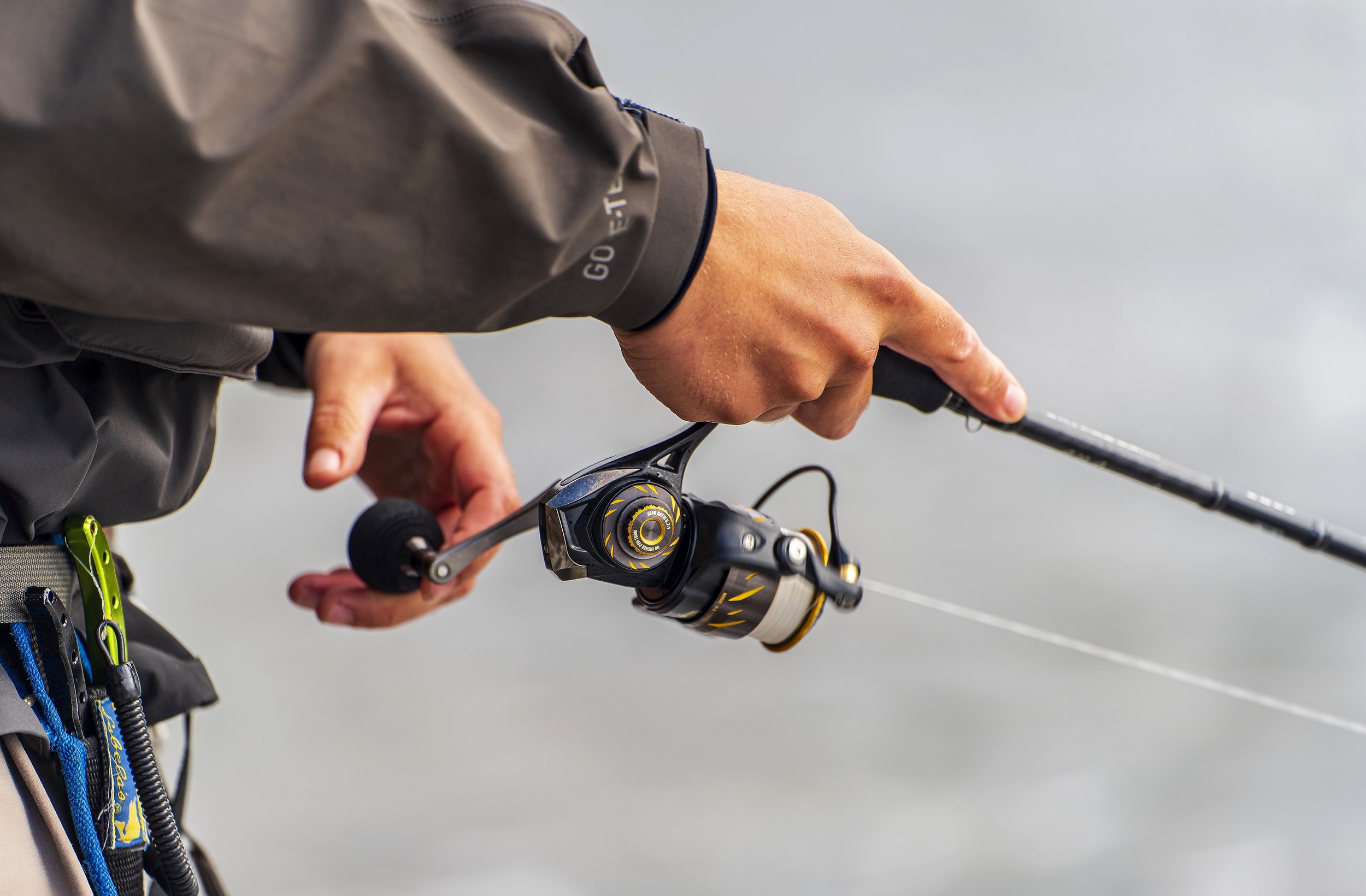
Perhaps naively I had assumed that any angler would want to set up their spinning reel in a certain way which suits them. Tackle companies aren’t doing our particular fishing for us and it’s not as if they are usually very forthcoming with handy tips and tricks for getting the best out of their reels. It then seems that any advice you can actually find often contradicts other advice you can find and so on and so on.
If you do nothing to a brand new spinning reel before you fish with it and it works how you want it to then that’s cool, but I always do the same few things beforehand and I have done for a long time - because it works for me and I know where my reel is at before I start fishing with it and if something then starts sounding a bit rough further down the line. It was the same with my multipliers. I knew how I wanted them to work for me so I did what I needed to do to get them running properly. I am obviously not saying here that either you need to do what I do or that it’s what is recommended - what is recommended though? - but this is what I do and it continues to work well for me. I do these steps below to any spinning reel whatever it costs before I first go fishing with it.
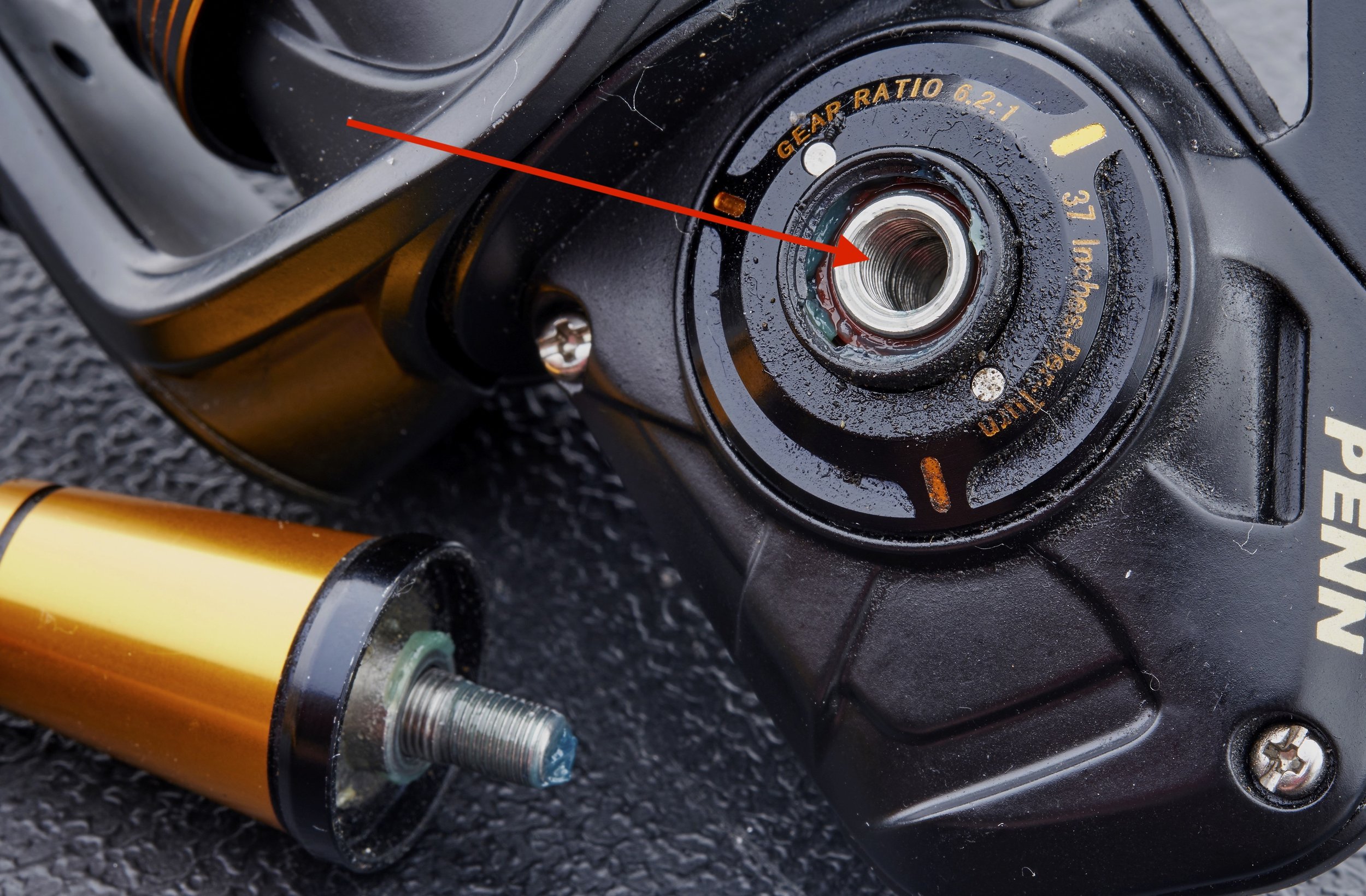
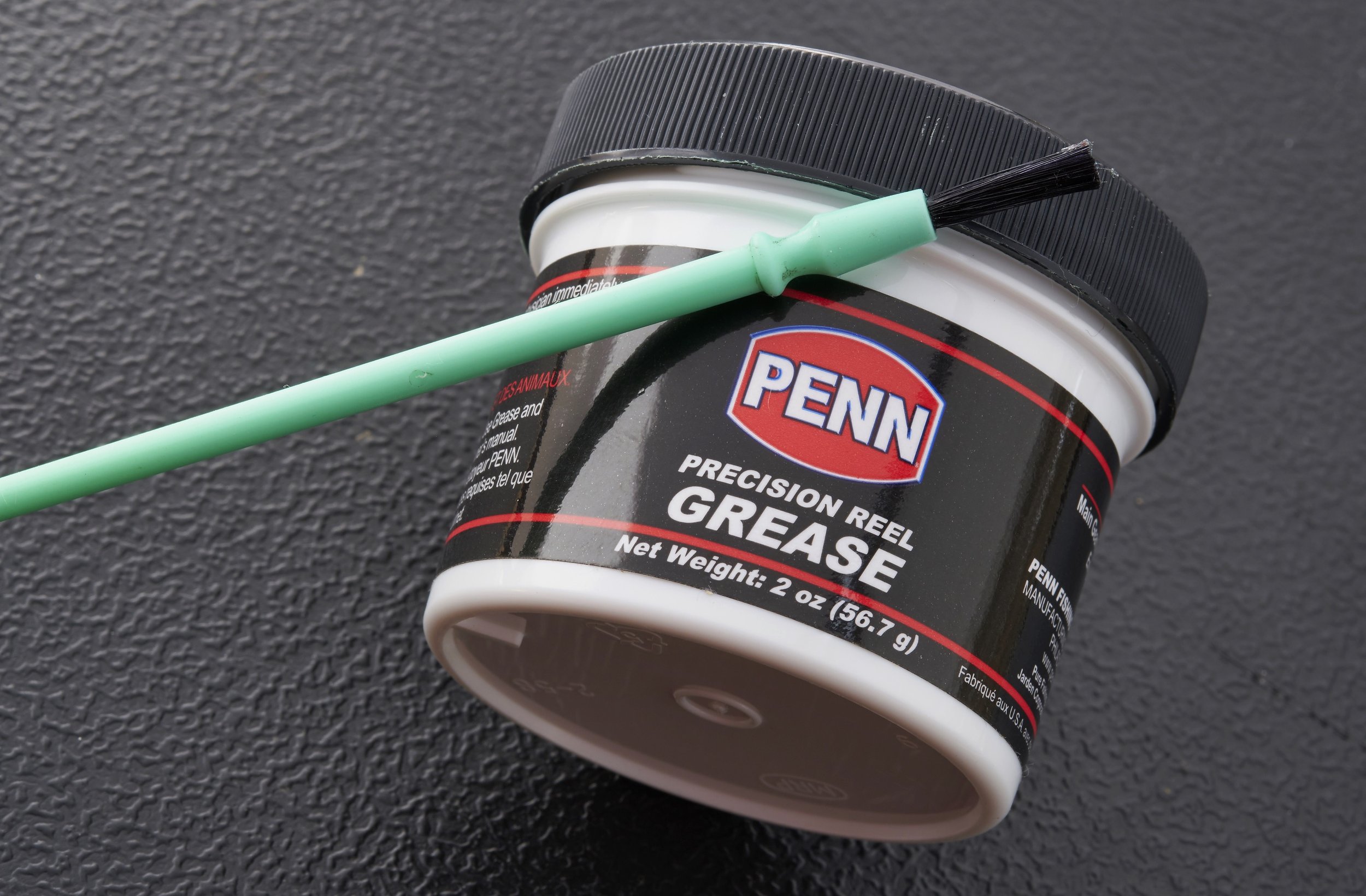
First off I remove the handle and drop plenty of the Penn Precision Reel Oil into the bearing which you can see in the reel where the handle turns in, plus down the hole where the shaft of the handle sits. I also paint a bit of Penn Precision Reel Grease around and over the exposed metal where the handle itself folds - if indeed the handle does actually fold. I use a simple kids’ paintbrush from some old art set my girls had, then just fold the handle back into place and wipe the excess grease off. Wind the handle back into the reel, turn it a few times, then wipe off any excess oil which might have run out of the bearing.
I unwind the drag knob so I can remove the spool completely, which I do. On the main shaft of the reel I will paint a little bit of grease around where the main shaft goes up and down as it enters the main guts of the reel if that makes sense. I also paint a very small amount of grease over the bits and pieces which sit on the main shaft - bearing, spacers etc. - and also over any exposed metal bits on the underside of the actual spool. Springs for the clicker, screw heads etc.
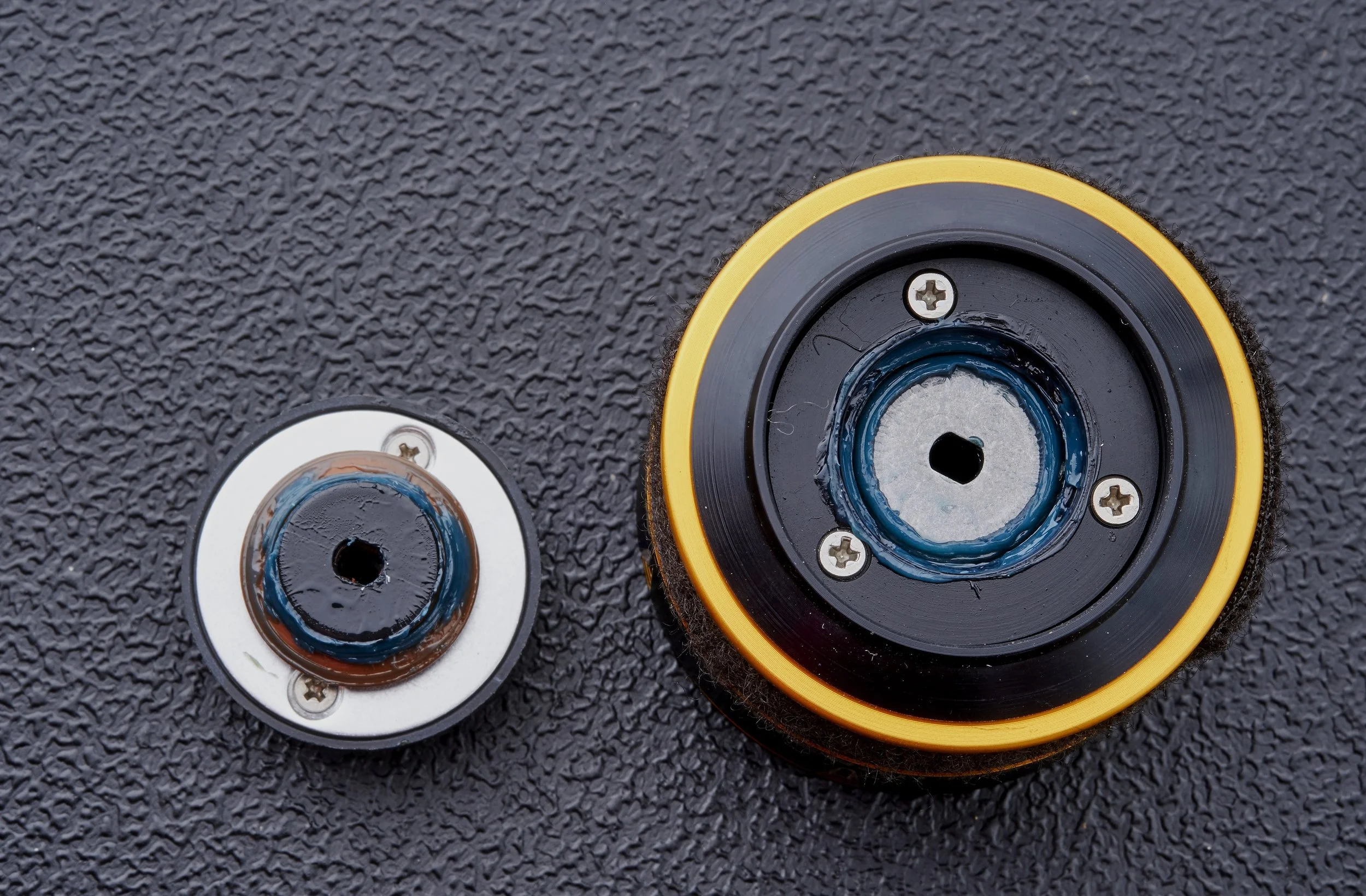
On top of the actual spool with the drag knob removed as per above, I will now paint grease over the top of the drag washer area and around where the drag knob squeezes down onto when it’s back on the reel. Now put the drag knob back on top of the spool, put the spool back onto the main shaft, and wind it all back into place.
This last step to me is the most important part of this “before the reel goes fishing” process. I used to use oil for this step but I now use grease, and that came about from one of the generations of (lovely) Shimano Stradics where I felt that the line roller assembly/bearing was going raspy a bit too quickly and often for my liking. I changed from putting oil in to putting grease in there and the problem was solved.

You are going to need to unscrew the line roller assembly by undoing the screw which holds it together. Be careful when you do this so little bits and pieces don’t go falling out, and every tackle company seems to use a different type of screw so you might need a different tool to be able to undo it. Years ago I bought a little Draper Precision Screwdriver & Bit Set and I haven’t used a spinning reel yet which doesn’t respond to one of the heads from this kit.
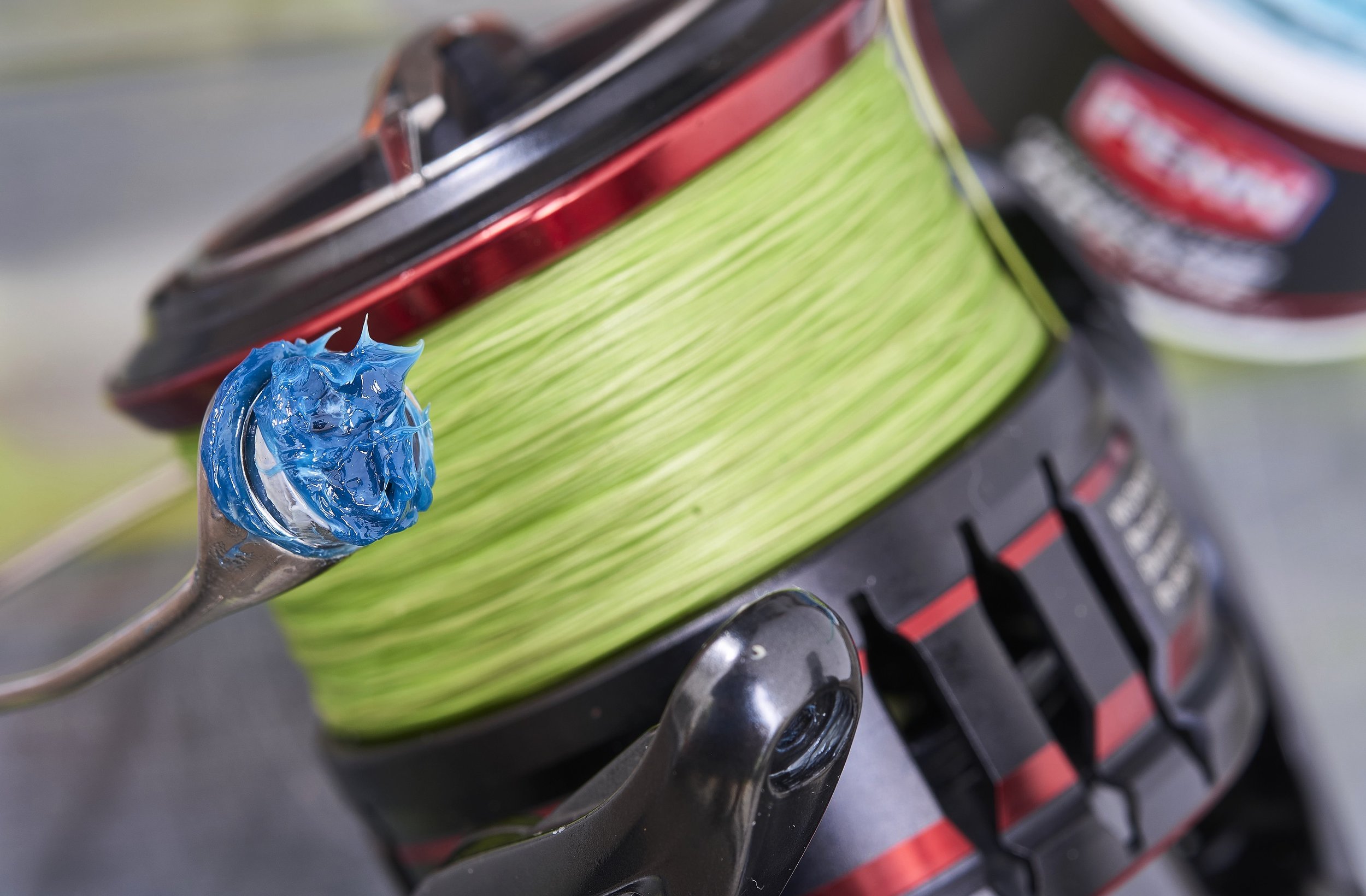
I whack a load of the Penn Precision Reel Grease all around the line roller area, both where the stem of the bale arm sits into the actual line roller, and then on top of the line roller where it goes back into the bit of the reel and then you screw it back together. Sorry, I don’t know the name of this piece below. I deliberately put too much grease in there, then I screw the line roller assembly back together and wipe off any excess grease.
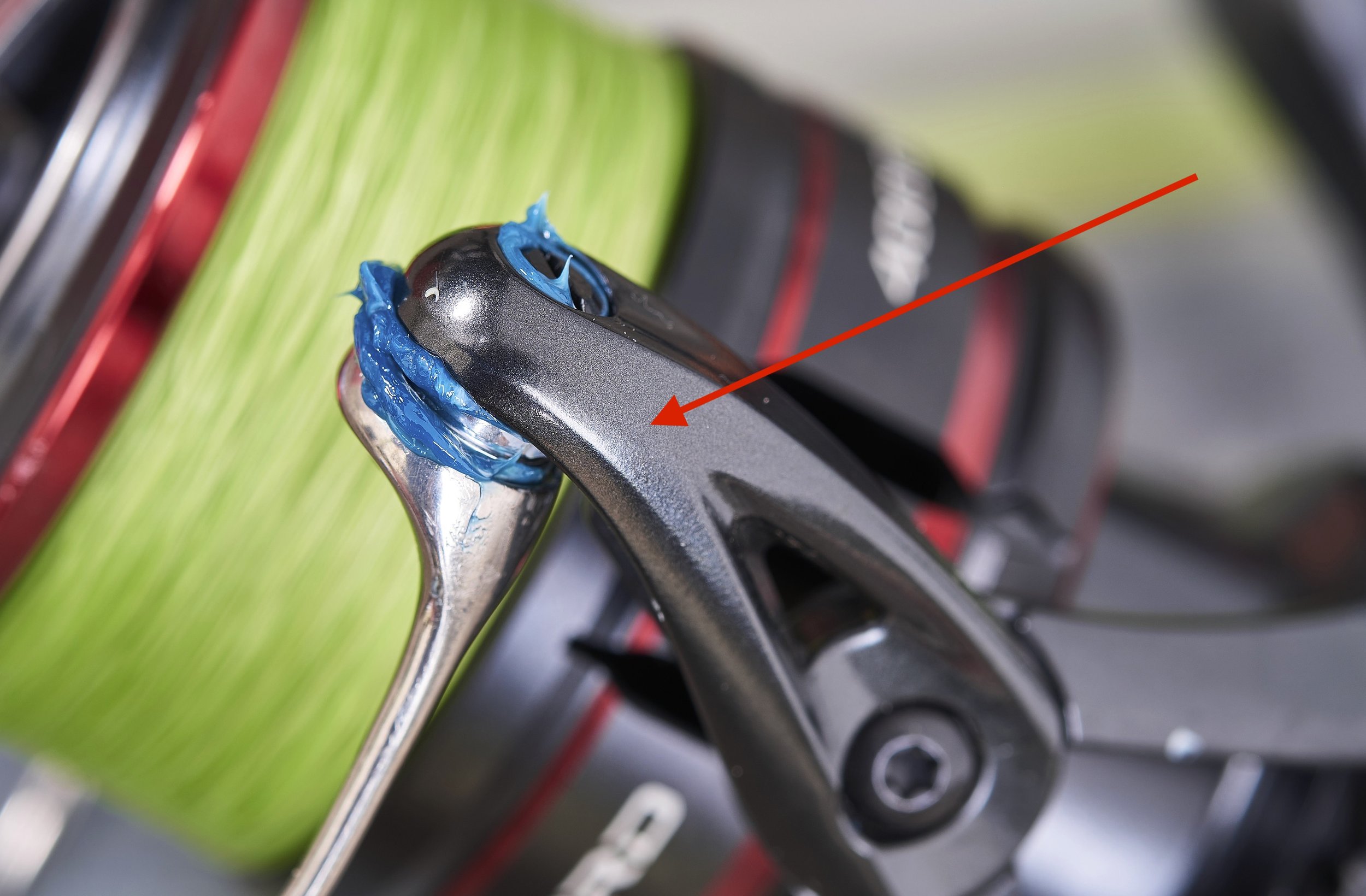
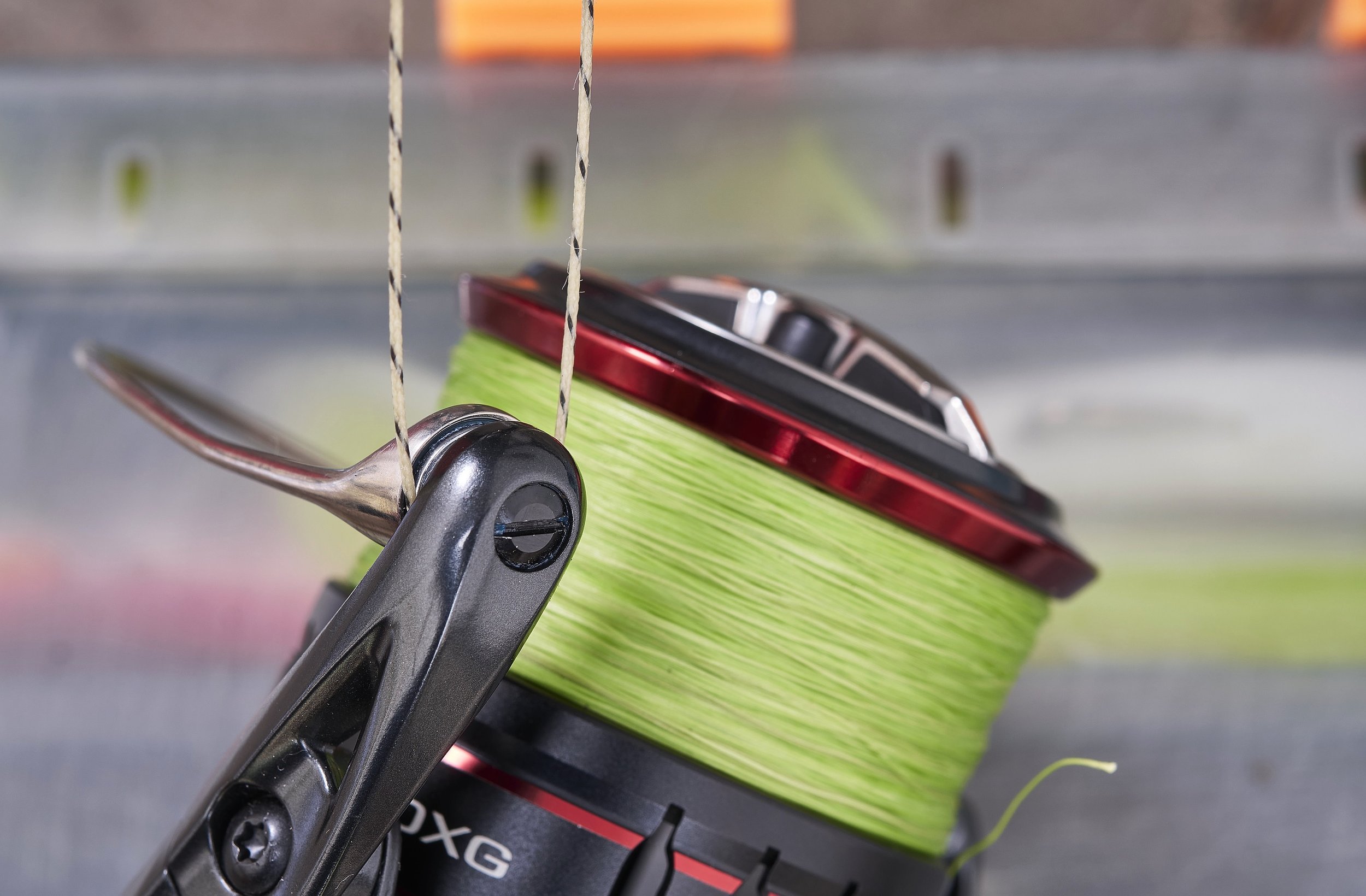
Then I run a piece of string back and forth over the line roller a load of times to make sure it’s running freely. If you initially and deliberately put a bit too much grease in there to make sure the whole assembly is protected, you will now need to wipe off a tiny bit more grease (blue if you use the Penn stuff, nice and easy to see) which will have come out after running the piece of string back and forth numerous times. I load up with braid and the reel is now ready to fish with.
I know that any of my spinning reels are set up exactly the same way before I use them, and it means that any time I feel even a hint of raspiness from the line roller area especially, I do exactly the same set of steps all over again. Call it a mini service if you like, and I obviously pay special attention to the line roller assembly. I was fishing with my Penn Authority 2500 the other day - the reel has been properly hammered - and I suddenly felt the merest hint of a tiny bit of raspiness. Nine times out of ten I reckon any sign of raspinenss/extra noise when you turn the handle means that the line roller bearing needs some lubrication. I went through all the steps I have described and the reel is back to feeling uber-smooth. Line rollers to me are the one area on a spinning reel which need the most care and attention, but with how much is going on with the line roller assembly when you wind lures and hopefully fish in it makes perfect sense to me.

So there you go. None of this stuff is going to change the world or catch you a load more fish. I am very obviously not a reel technician but I fish a lot and I try my best to look after my fishing tackle. I hose my rod and reel down after every fishing session - the drag gets wound down tight before doing this, then wound off afterwards - and I choose to do what works for me and seems to keep my fishing tackle lasting really well. I can bet you any money that anybody with any proper knowledge of spinning reel servicing and maintenance could read this blog post and weep at what I do, but I’ve been doing it for long enough that I trust my methods completely and I won’t be changing these steps unless I personally find a better way of doing things……………….
Disclosure - If you buy anything using links found around my website, I may make a commission. It doesn’t cost you anymore to buy via these affiliate links - and please feel entirely free not to do so of course - but it will help me to continue producing content. Thank you.