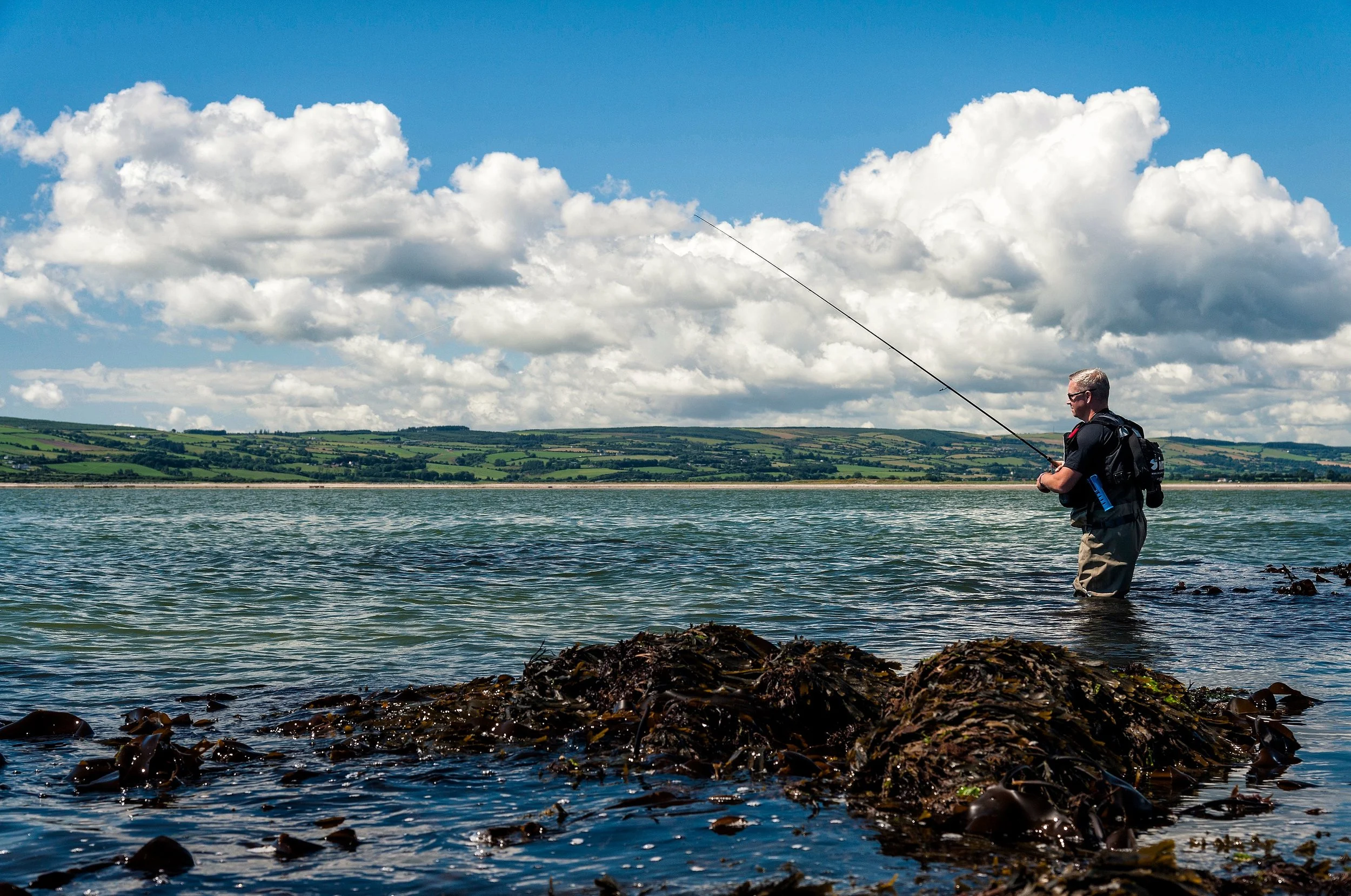
How on earth do you know where to go bass fishing in a massive estuary system?
I don’t mind admitting that when fishing around the mouths of a few specific estuaries over in Ireland became a totally normal part of my bass fishing, I kinda thought I had the estuary thing pretty much sorted. When the fishing was on we would catch a lot of good bass, and most of the fishing revolved around bumping various soft plastics on jig heads along the bottom on the last few hours of the ebb tide. Awesome fishing at times…………..

So I naturally began to take a much closer look at the numerous estuaries I have here at home. Living in Cornwall gives me access to so much water, but pretty quickly I realised that bumping lures at the mouths of the numerous estuaries wasn’t always going to cut it for various topographical reasons. Bumping soft plastics on the ebb tide where I used to spend so long fishing for congers, cod and thornback rays wasn’t really going to work in 100’ of water at the mouth of the huge River Tamar for example. Especially considering that for the many thousands of hours I spent fishing that particular mark, I never saw one bass landed!
And to be honest the whole estuary size thing freaked me out a bit. I know the open coast can look daunting as well, but I find it a easier and more logical to think about the open coast in terms of reefs and beaches and boulder fields and so on. Go walking around a massive expanse of estuary though and where on earth do you start if you want to try and catch bass? Personally I believe one of the best ways to go about it is to literally break an estuary down in your head. Don’t think of it as one single expanse of water.
Don’t think of it as one single expanse of water if that makes sense. An estuary will often have as many localised features as a stretch of open coast, but when you think about it as a whole, I tend to find it pretty daunting, and especially at high water when the ground is covered with water. You can fairly easily find a likely looking bit of reef out on the coast, but now give me a huge inland waterway and where on earth do I find accessible current or areas of bladderwrack or drop-offs and pinch-points etc.? Once I stopped thinking about estuaries as a whole and instead started to break them down into more logical little areas, it all started to make much more sense and my catch rates began to reflect this.
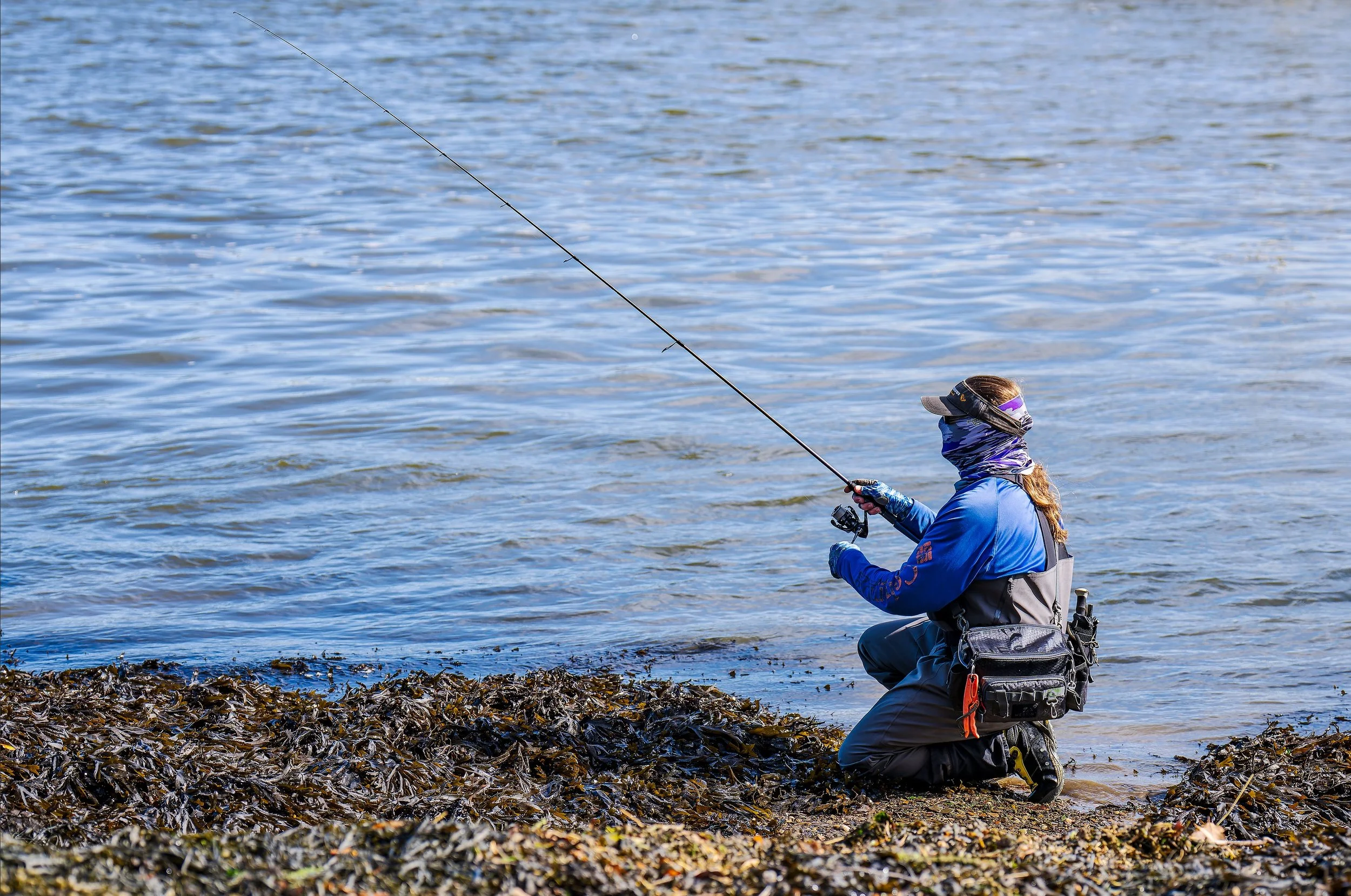
And I continue to do this. As I alluded to the other day, the recent and very sudden change from summer to autumn forced me to go back to the drawing board. I used my experience though to deliberately not just go on Google Earth and start frying my brain by looking at massive expanses of water just because they might be sheltered from a certain wind direction. Nope, what I did was to literally sit down and go through my head. Where have I looked before which might have the sort of ground which could hold bass? Was there somewhere I had looked at in the past but almost dismissed because it didn’t look expansive enough? I come back to the whole creature bait thing once again because it is teaching me to really concentrate on very specific little areas and trust that they can hold bass, instead of wildly flinging lures around in as much water as possible in the hope that a bass swims by. And it worked again.
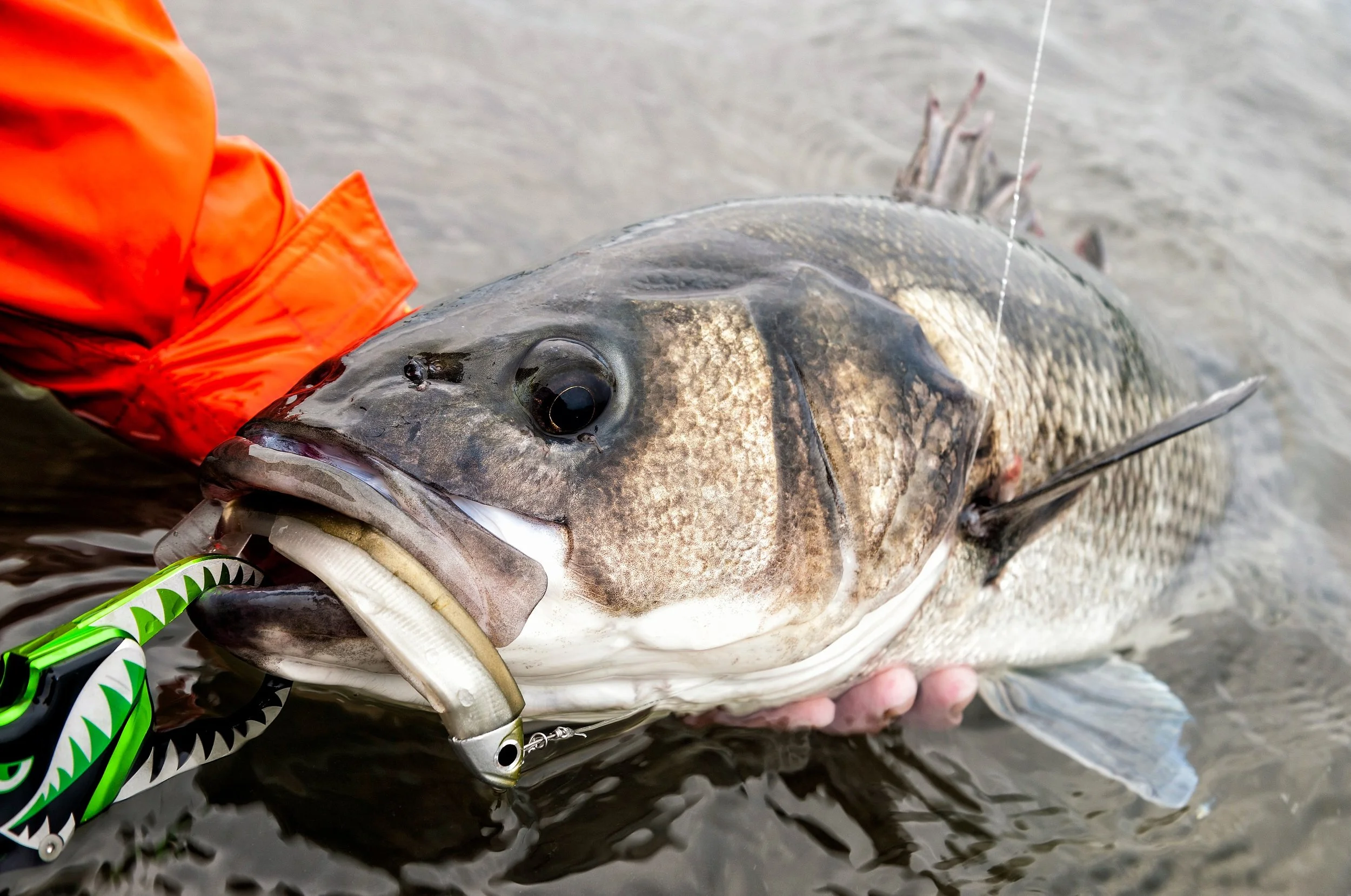
I asked this question on my Facebook page the other day: “Does anybody else sometimes get slightly freaked out by the size of some of our estuaries, in terms of where do you go looking for bass in them? So much water, how do you narrow it down? I have been targeting bass in estuaries almost from the start of obsessing about these amazing fish, but with what I keep stumbling upon I often feel like I am still at day one”.
And I got this brilliant answer from a very kind angler who has managed to condense a lot of thinking into a really useful nugget of information that I think is so helpful (big thank you!): “Falmouth Estuary can feel overwhelming Henry at first because of its size, but it's actually a fantastic Bass fishery if you break it down into smaller target areas. I tend to focus on features that funnel bait - creek mouths, channel edges, and areas where tidal flow is concentrated. On a flooding tide, bass often push right up into the shallows chasing sand eels and sprats, especially around weed beds and rocky margins. On the ebb, I'll work the drop offs and deeper channels where they wait for food to be carried past. Early mornings and evenings can be magic here, particularly in calm clear conditions. Lures that imitate local baitfish work well here, but soft plastics fished slowly can be deadly when the water's a bit murky. The key is to move, observe, and fish the tide - the estuary's size becomes less daunting when you think of it as a series of smaller, fishable zones”.
Put this sort of thinking into practice and I would hope that learning how to fish big estuaries becomes somewhat easier and less daunting…………….