Give me that shorter swell period any day of the week for the open coast
When my mate Del came to stay and fish for a few days the other week, we got properly beaten up with the weather. You can never expect anything weather wise here in the UK, we all know that, but we really wanted to get out on the open coast to mix things up with the estuary fishing we were generally forced to do. Not a problem I might add, especially as Del was itching to try and catch bass on creature baits - he did! - but I knew we were pushing it a bit when I did all my internal computing and came up with an open coast plan for the one day when the winds weren’t quite so strong……………..
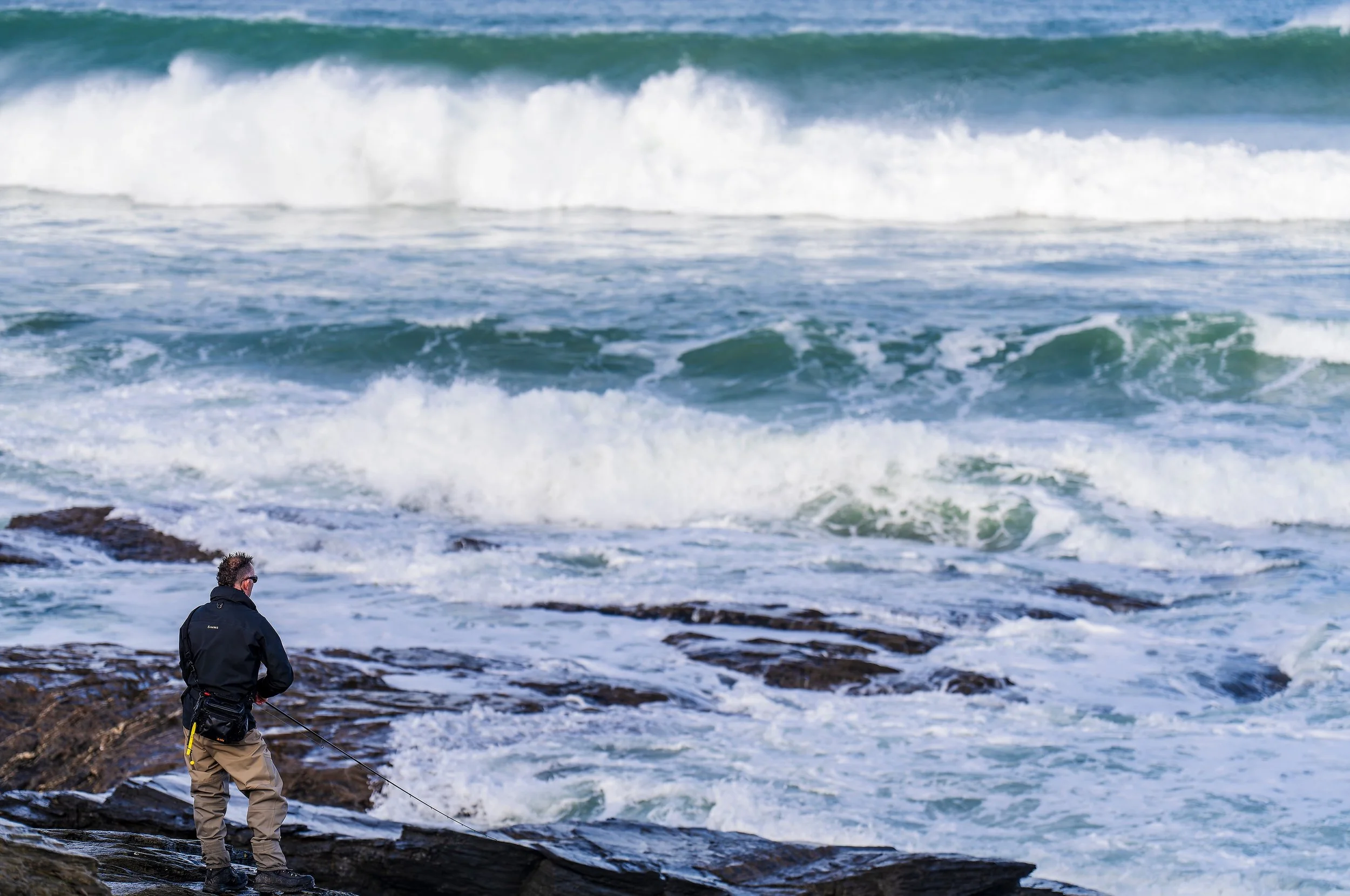
Fishing with Del when we couldn’t get to where we needed to be with all that water rolling in
Which I compared to fishing the same place the other day when I had sea conditions I really liked - and it was like chalk and cheese. When I fished there with Del we had a similar size swell to when I fished there more recently, but the big difference was the swell period. I grabbed this from Google which explains things pretty well:
“How swell period works - Measurement: It's measured in seconds, representing the time from one wave's peak to the next. Deep water: In deep water, longer period swells travel faster than short period swells. Shallow water: As swells approach shore, they slow down. The longer period, more powerful swells will break with more force than shorter period swells.
Impact on waves - Long period (12+ seconds): These swells are typically generated by distant storms and carry more energy. They create larger, faster, steeper, and more powerful waves that are often cleaner and more organized. Short period (< 12 seconds): These are often caused by local winds and are generally weaker, choppier, and less powerful.
Why it's important - Surf quality: The period gives a better indication of wave quality and power than height alone. For example, a 2m swell with a 15s period will be much more powerful than a 2m swell with a 7s period. Surf forecasting: Knowing the swell period is essential for accurate surf forecasts, as it predicts how the waves will behave when they reach the shore. Wave energy: Longer periods mean more energy, which translates to bigger, stronger, and more powerful waves at the beach”.
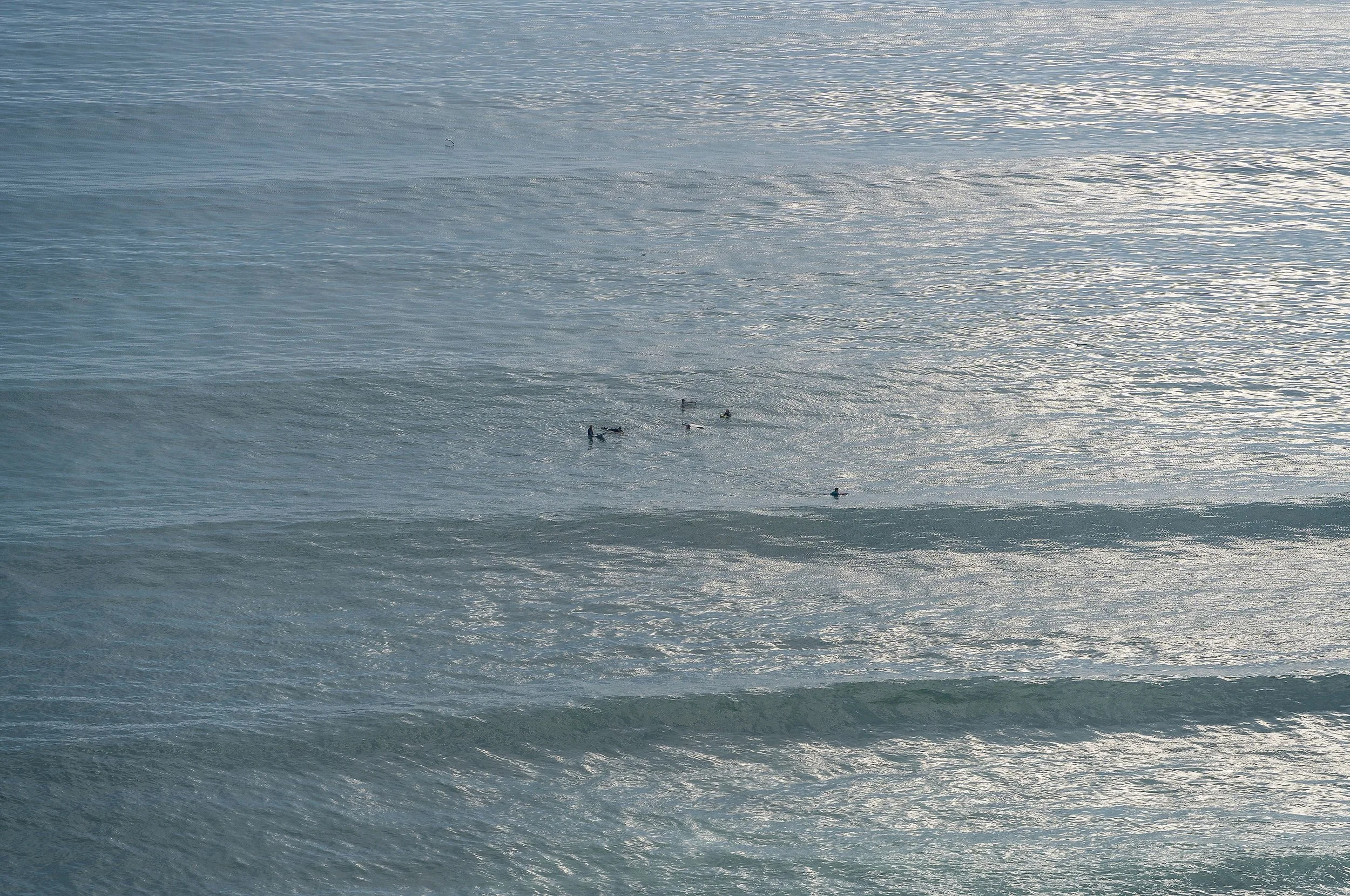
That longer swell period which surfers are after
What did this mean in real fishing terms? When I was there with Del, the longer swell periods and stronger wave energy prevented us from accessing specific parts of the mark at specific parts of the tide. You simply couldn’t fish exactly where I wanted to be and when because the more powerful waves kept them under water for longer than usual in a typical tide, and if you had ventured out there between wave sets you’d have got washed in when the next bit set rolled in. We managed to tuck away a bit and Del got a small bass, but we were never fishing the mark in the way I wanted to.
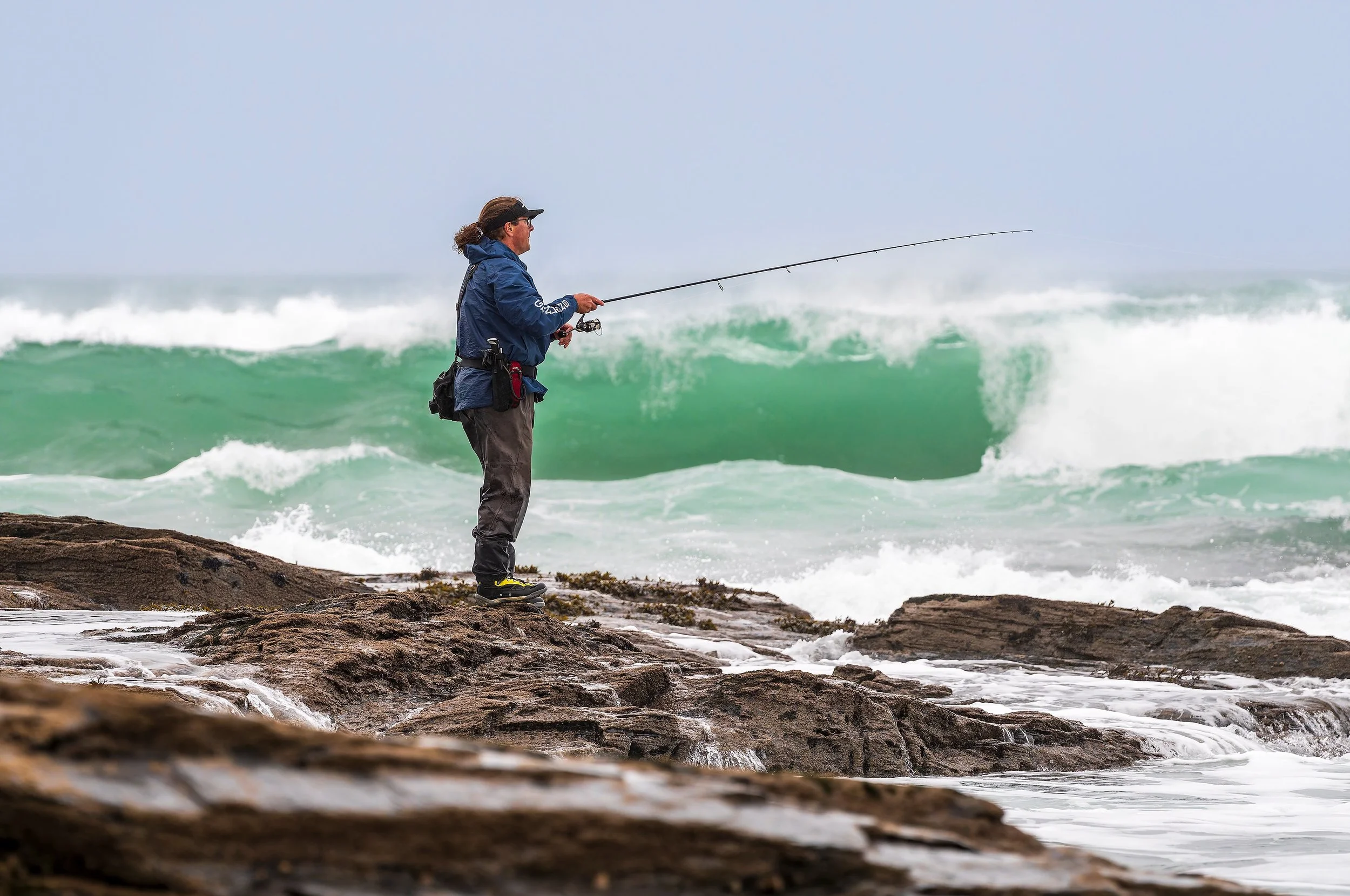
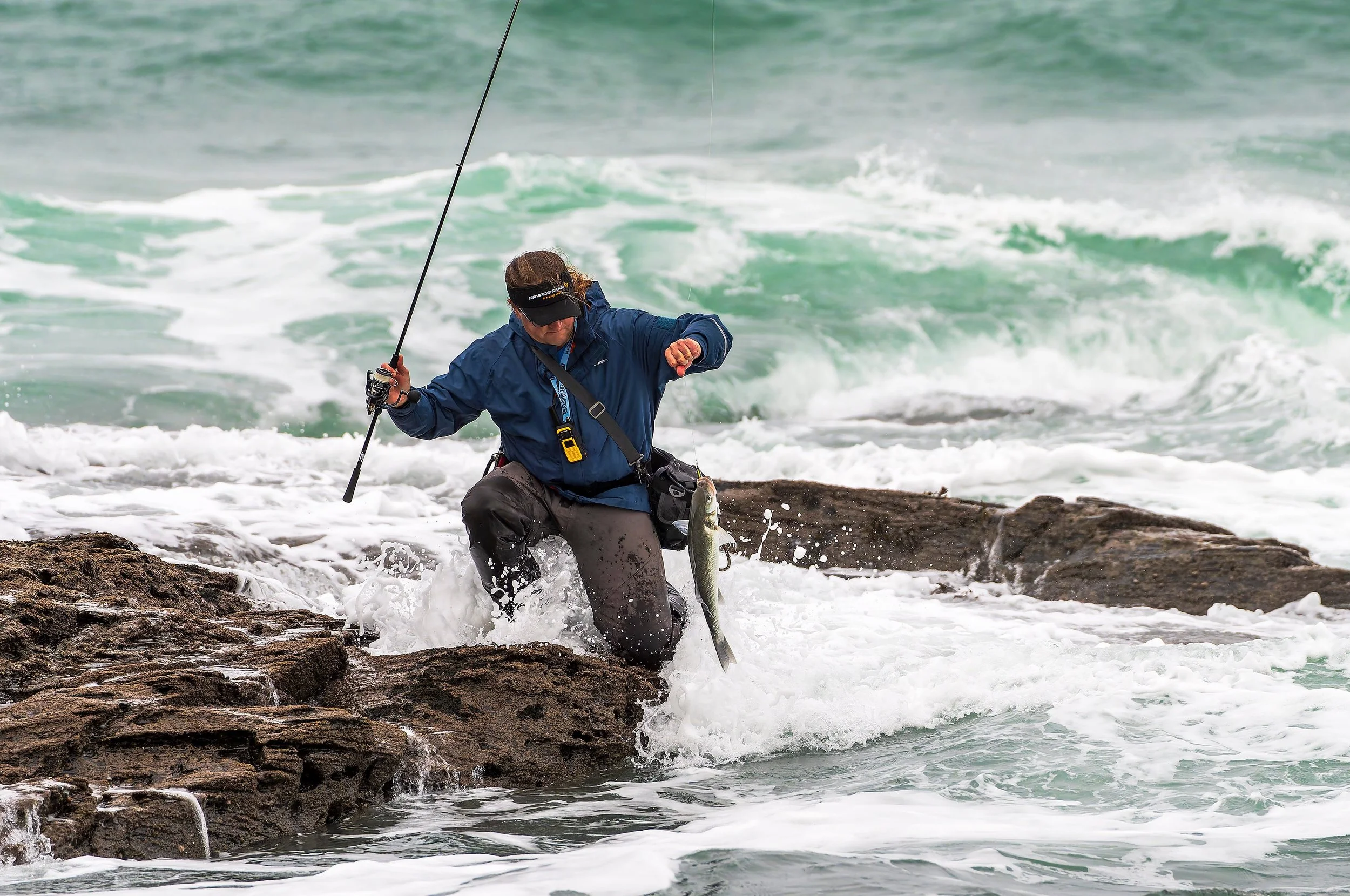
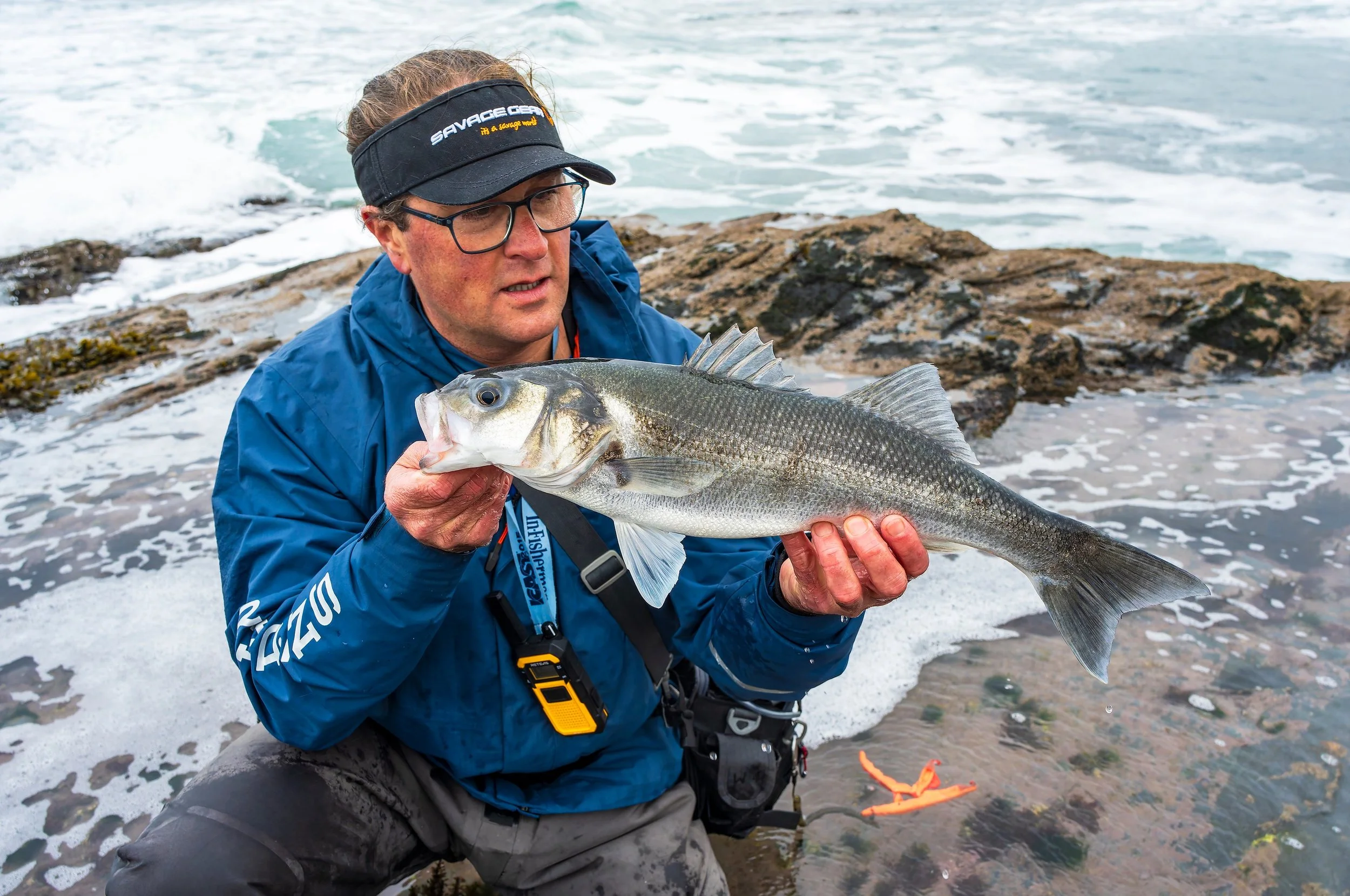
But the other day I was able to access exactly where I wanted to be at specific times in the tide. The fishing wasn’t actually very good I might add, but that much shorter swell period was giving us a far choppier and more predictable sea state so we could push to where we needed to fish - and when. A big thanks to Dave of Labrax Mafia (lovely paddletails!) who I was fishing with for shooting a few decent photos of me into a bass and with a bass for a grip and grin. Awesome to fish with an angler who can actually use a camera!